Three-Month Research Stay in Denmark
Hi, I’m Atsuki Sato, a second-year PhD student in the Matsui Lab.
From May to August 2026, I spent about three months as a visiting researcher at the IT University of Copenhagen (ITU) in Denmark, working with Prof. Martin Aumüller. In this post, I’ll look back on how this stay came about, my research experience at ITU, trips to India and Sweden during my stay, and everyday life in Copenhagen.
Before the Research Stay
The opportunity to study abroad came about when my supervisor, Prof. Yusuke Matsui, introduced me to his friend Martin at ITU. After reading my paper, Martin kindly said, “If you’d like to come for a research visit, you’re welcome to.” I first heard about this opportunity in 2024, when I was a first-year master’s student. Later, after entering the PhD program, I told Yusuke that I wanted to go. He secured the funding, and the visit finally became a reality in 2026.
Around August 2025, I began having regular online meetings with Martin, with Yusuke also taking part. We had many discussions about the research I was working on at the time, gradually improving the paper until it was accepted at SIGMOD 2026. The three of us then continued working on another research project and finished writing another paper before my departure. I feel that having worked closely together beforehand and already knowing each other’s research interests and personalities helped us get off to a smooth start from my very first day at ITU.
Research at ITU
My goal during the three-month stay was to work on a research project and turn it into a paper by the August 1 submission deadline for VLDB. Martin generously made time for frequent meetings, and thanks to his guidance, we settled on a research direction within about two weeks. I still remember how happy I was when he complimented me, saying things like, “When I was a PhD student, it would have taken me a few weeks to get this far,” and “You’re a really hard worker.”
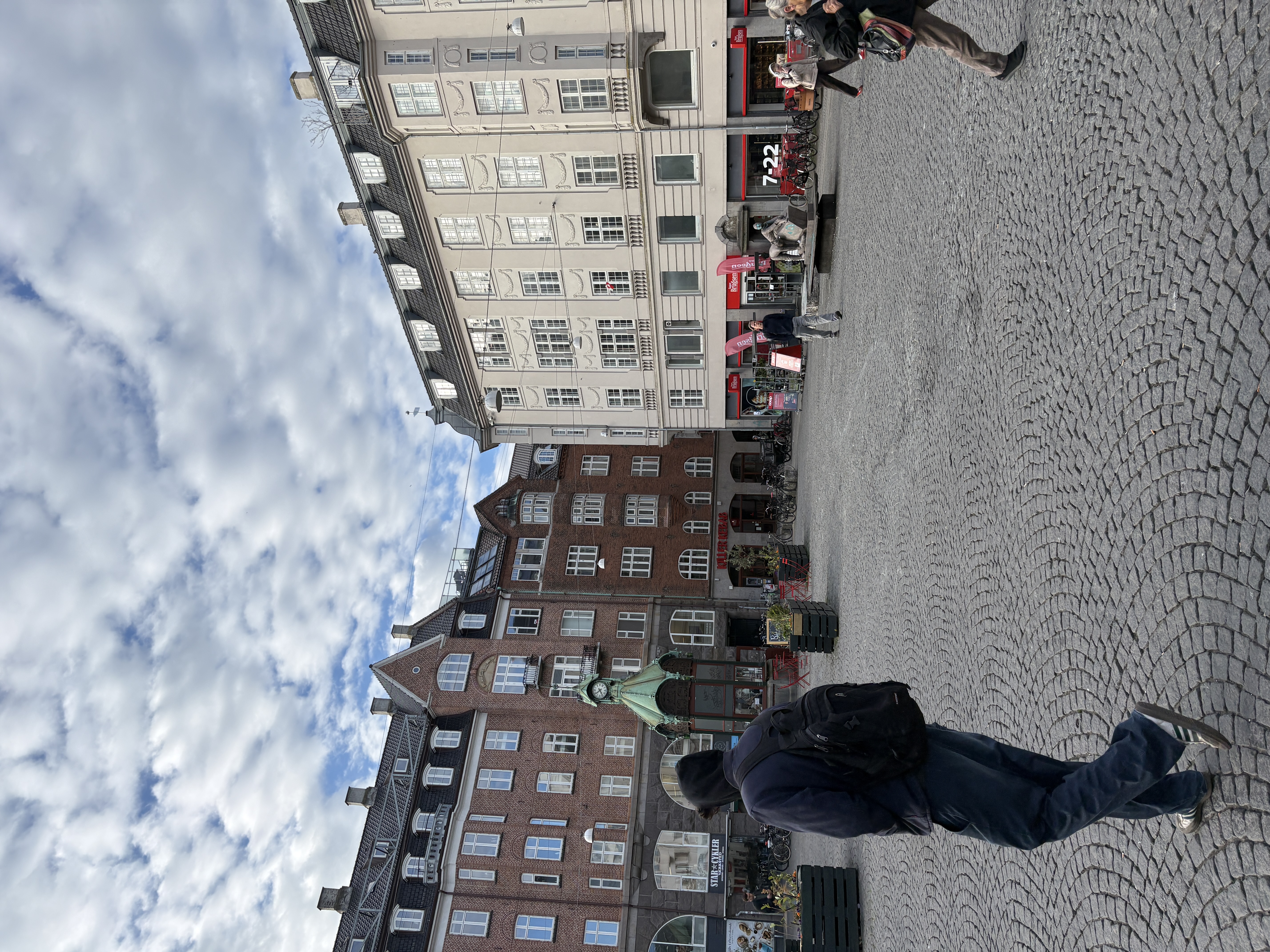
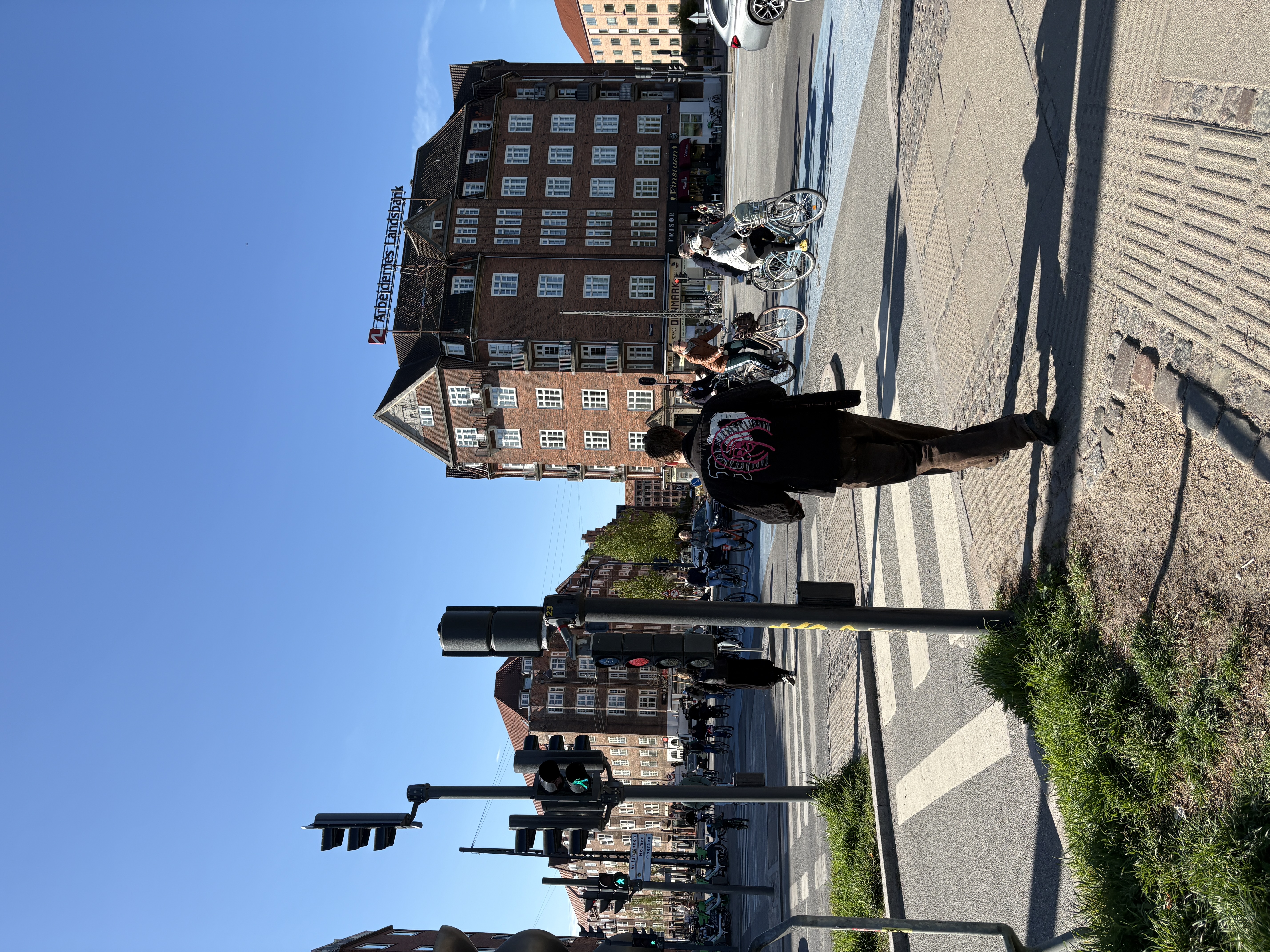
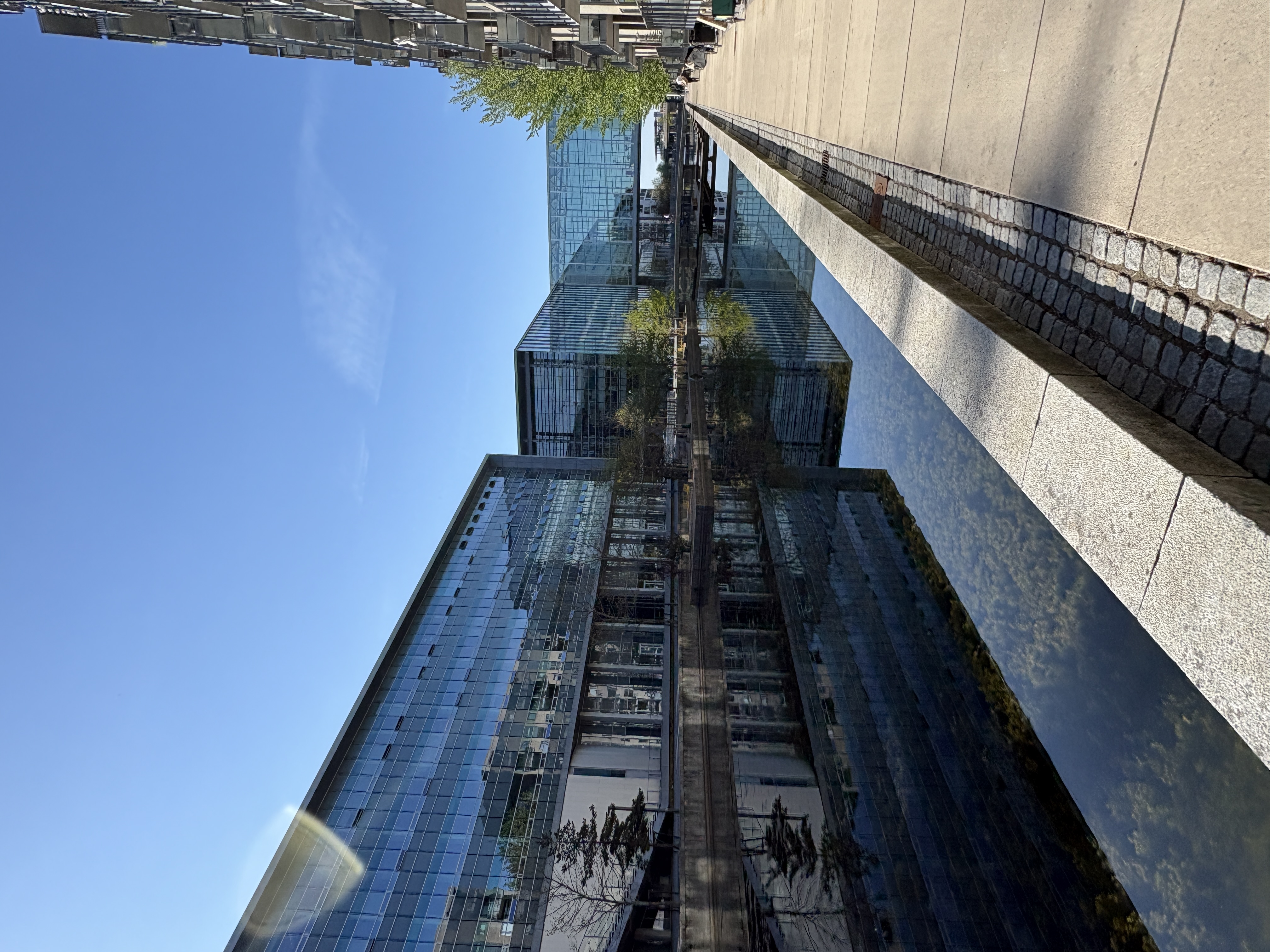
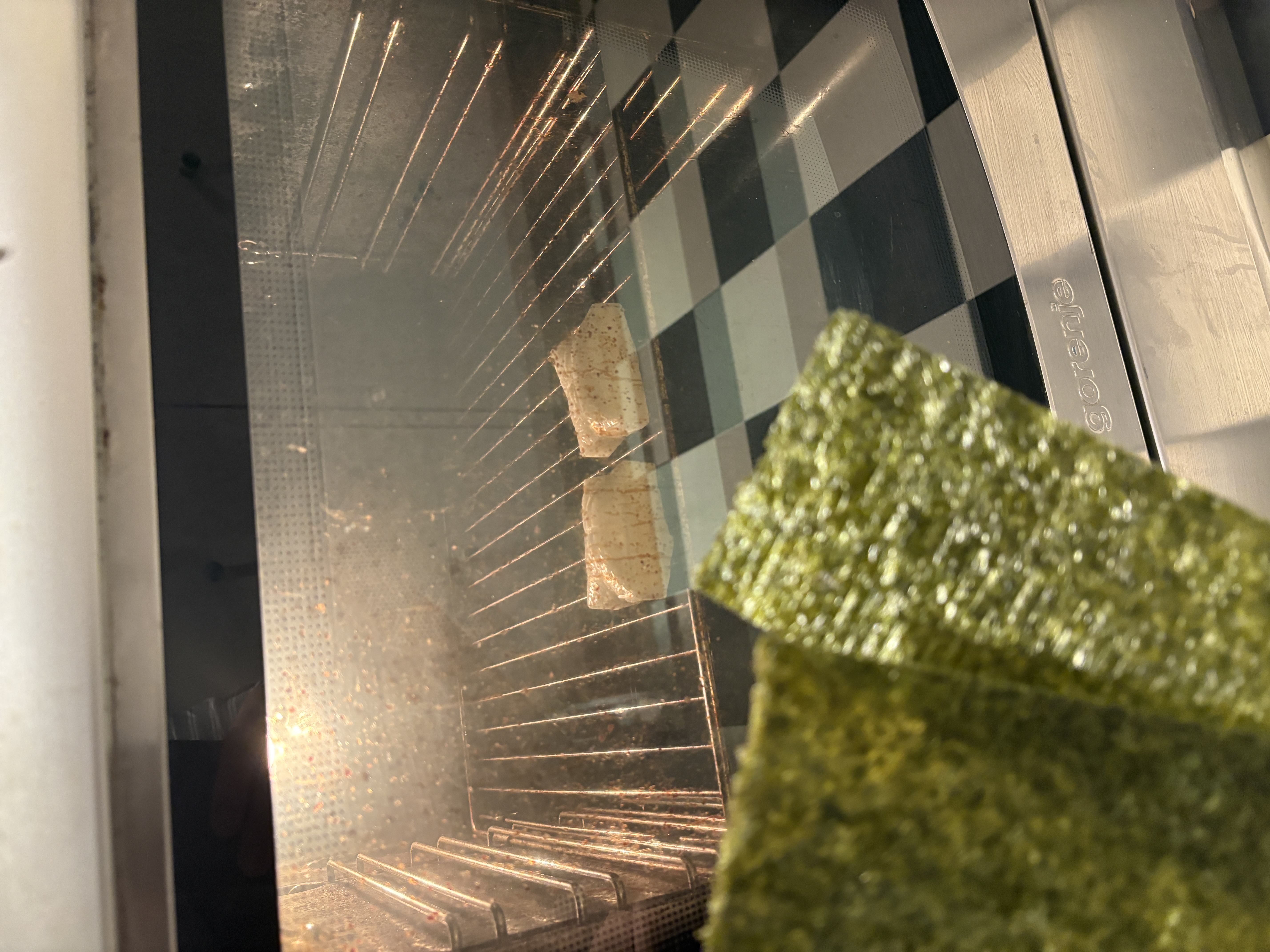
Photos from my first day. (1, 2) I was excited to see streets that looked just as I had imagined they would in Scandinavia. (3) The university building had a glass facade, with a canal running right beside it. (4) My first dinner was mochi that I had brought from Japan.
What impressed me most about discussions with Martin was his approach to research: he always kept the overall problem and its fundamental ideas in mind while also thoroughly examining every detail of the algorithms and experiments. Whenever an experimental result looked even slightly unusual, he asked me to investigate until I could explain why. In fact, these small unexpected observations often contained clues that led to new research directions. This experience reminded me of how important it is to carefully understand every experimental result.
Around the end of May, Prof. Ioana O. Bercea from KTH also joined our research project. Ioana is a friend of Martin and Yusuke, and she had previously given me advice on my research when she visited the Matsui Lab. Since our new project was closely related to her research interests, Martin invited her to join our collaboration.
I also had many opportunities to discuss research with other professors and students at ITU. The university regularly held seminars on algorithms, where students and professors presented their research. Many talks focused on topics in theoretical computer science, such as computational lower bounds and NP-hardness. I felt surrounded by people with deep expertise in algorithms, and I learned a great deal. At the end of May, I also had the opportunity to give a talk at one of these seminars. The questions and comments I received were very helpful in shaping my subsequent research.
In the end, we weren’t able to finish the paper by our original August 1 deadline, so we decided to aim for a later submission deadline. As our understanding of the problem deepened, we discovered new methods and directions worth exploring, and realized that the paper needed to take a somewhat different form than we had initially planned. I was disappointed that we missed the deadline, but I also believe that this was a necessary process toward writing a better paper.
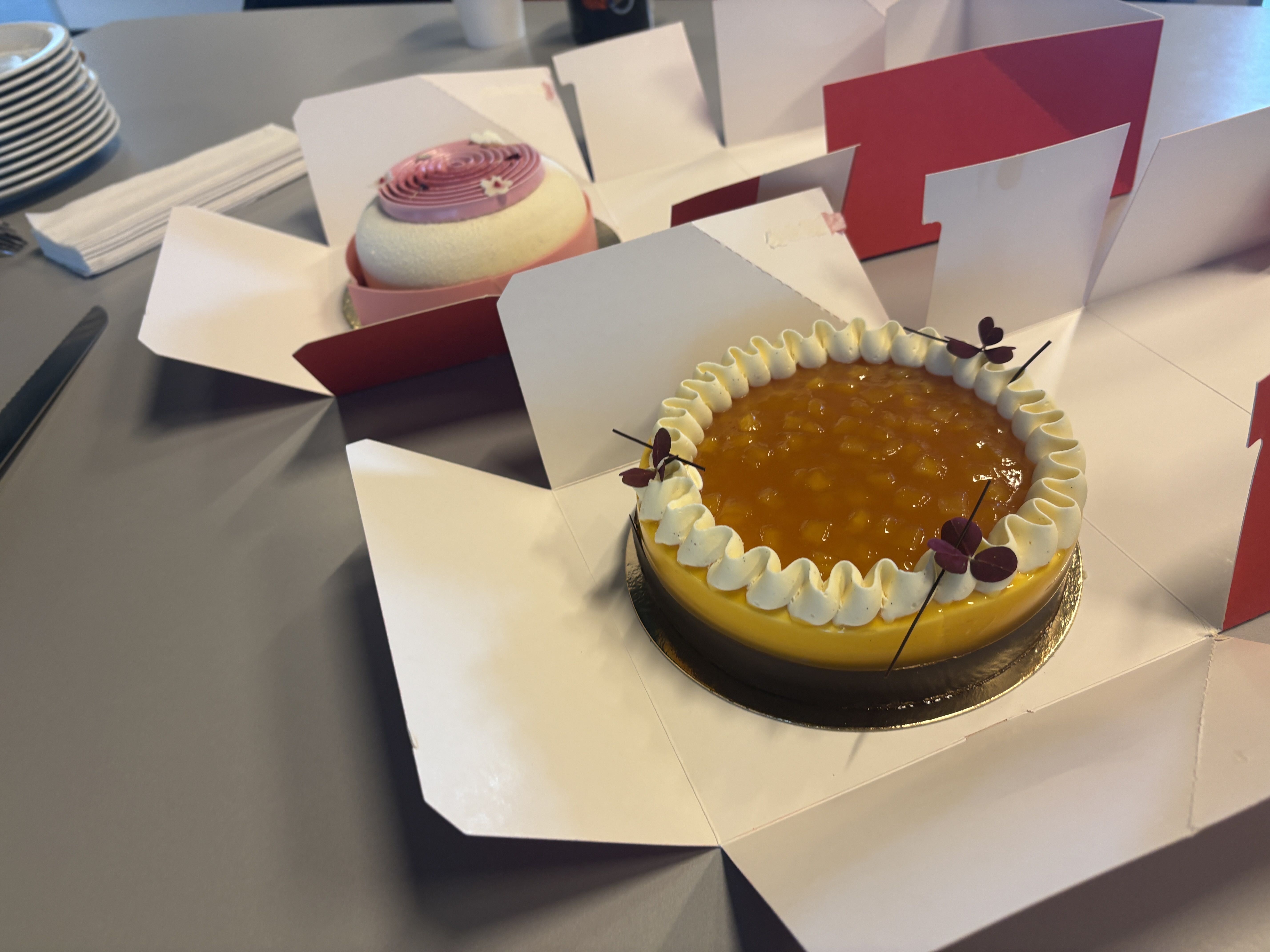
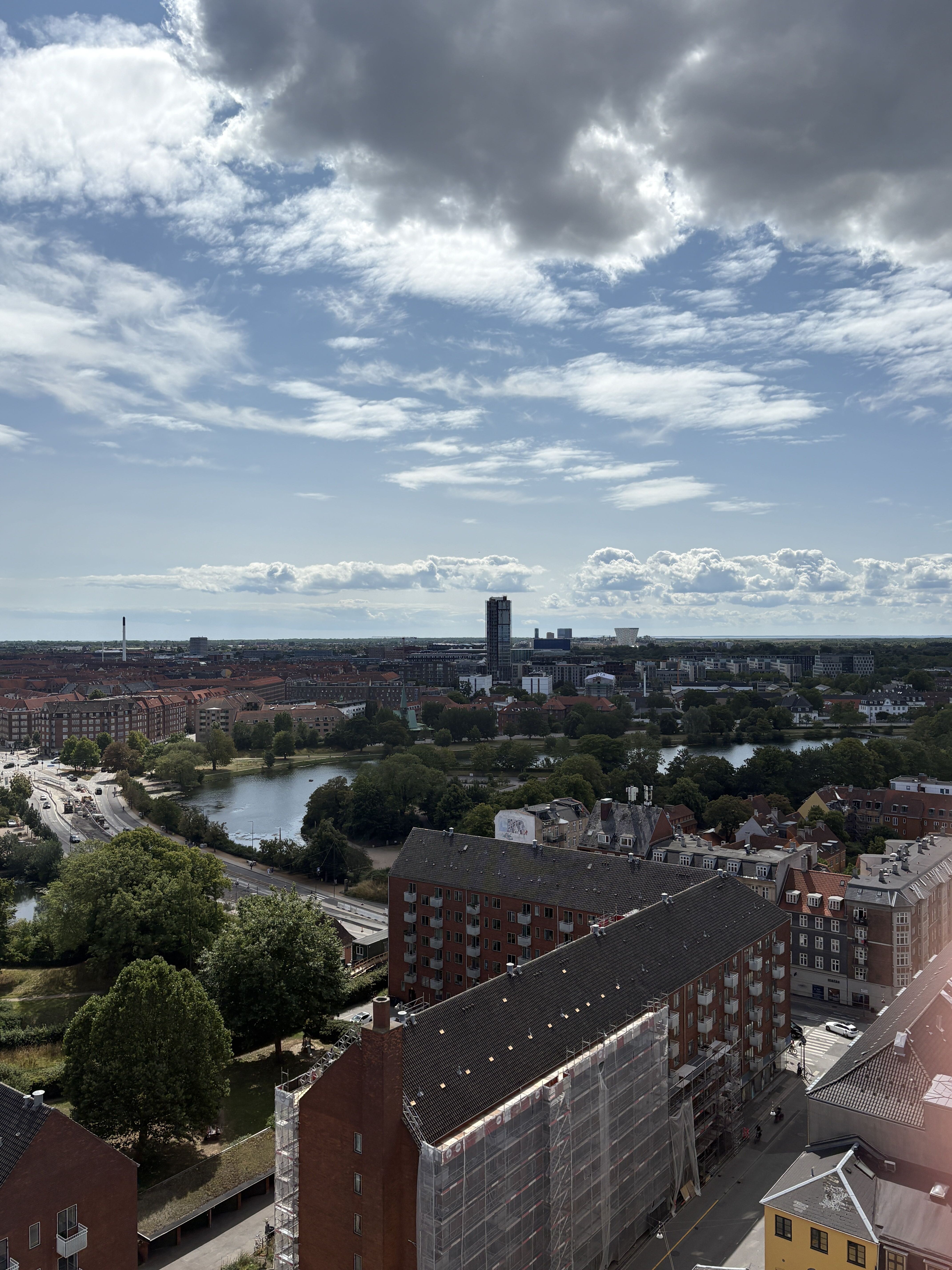
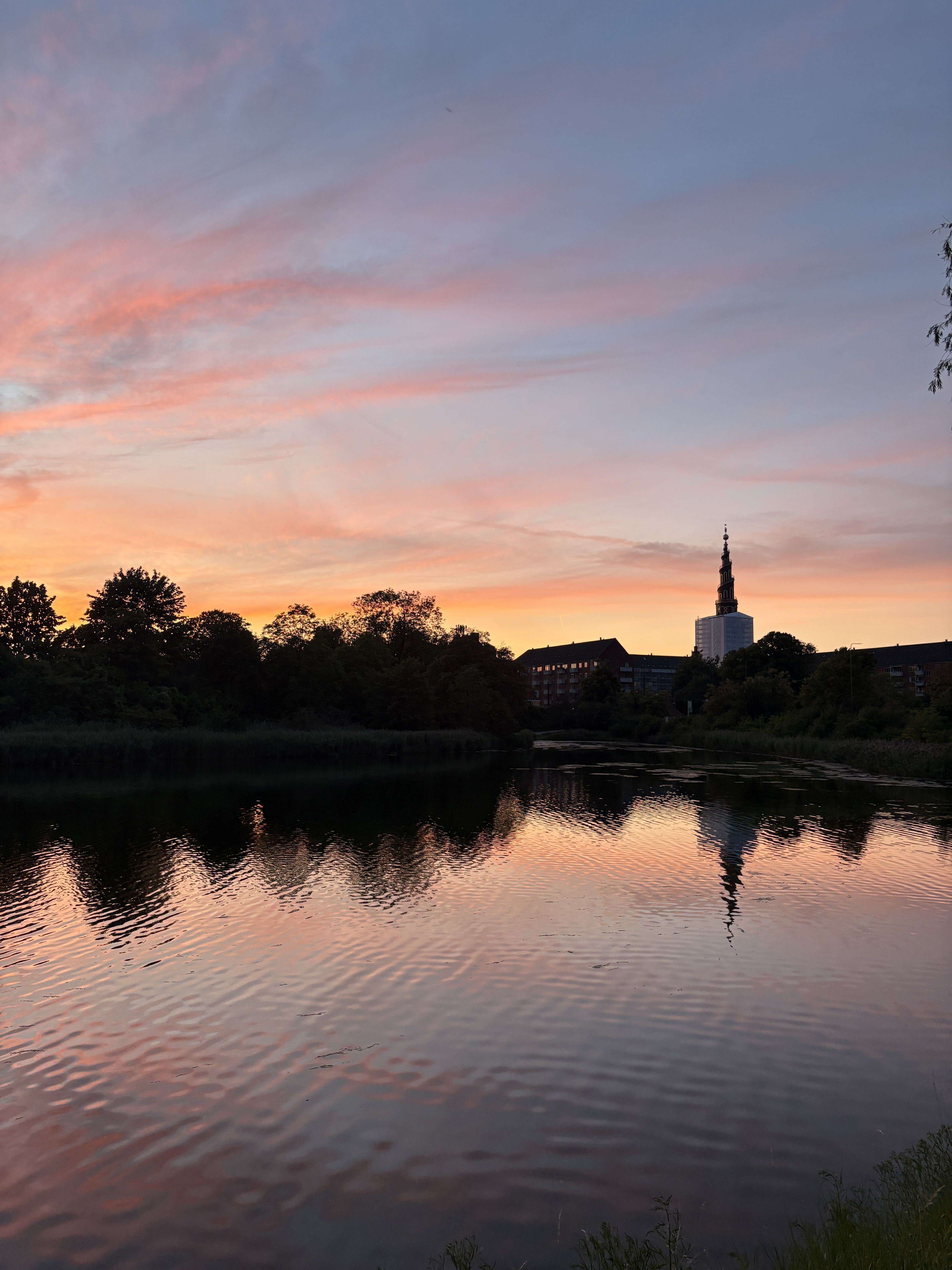
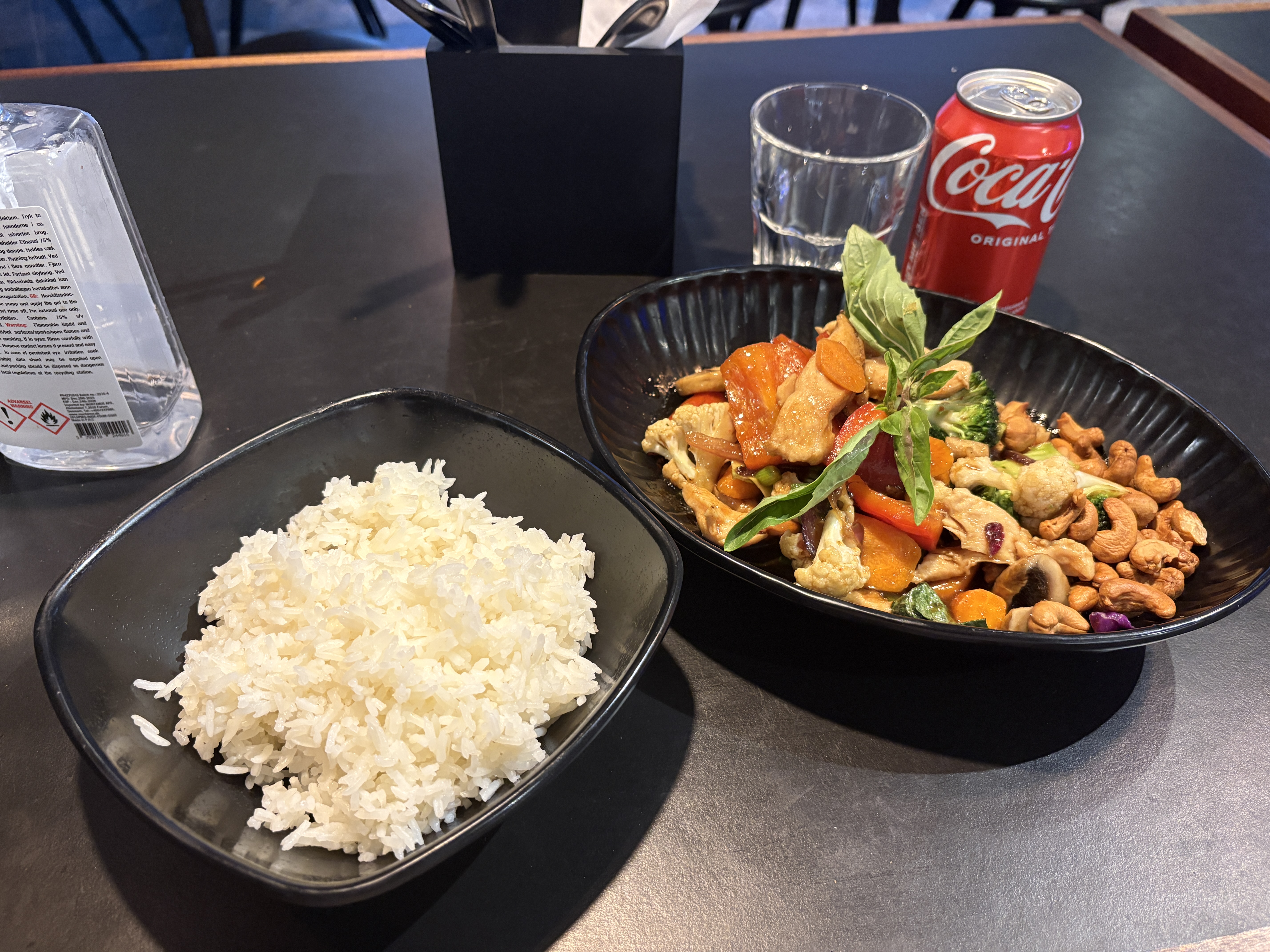
Photos from my last day. (1) Martin treated me to cake. (2) The view from the top of the Church of Our Saviour. (3) An evening view, with the tower of the Church of Our Saviour visible in the background on the right. (4) My last dinner was at a nearby Thai restaurant.
Two Trips During My Stay
During my stay in Denmark, I made two trips abroad.
The first was to attend SIGMOD 2026, held in Bangalore, India, in June. I presented our paper, “Mathematical Foundations of Poisoning Attacks on Linear Regression over Cumulative Distribution Functions,” which I had coauthored with Martin before my visit. It was my first oral presentation at an international conference, so I was nervous, but it went smoothly in the end. There were also several presentations on Learned Indexes, my main research area, and it was a valuable opportunity to talk directly with researchers working in the same field. I also met members of the research groups led by Prof. Daichi Amagata and Prof. Yuya Sasaki from Osaka University. They kindly invited me to join them for dinner, and we had a great time together. It was also my first time attending an international conference in the database field. Getting a feel for the conference atmosphere and meeting more researchers made it a wonderful experience.
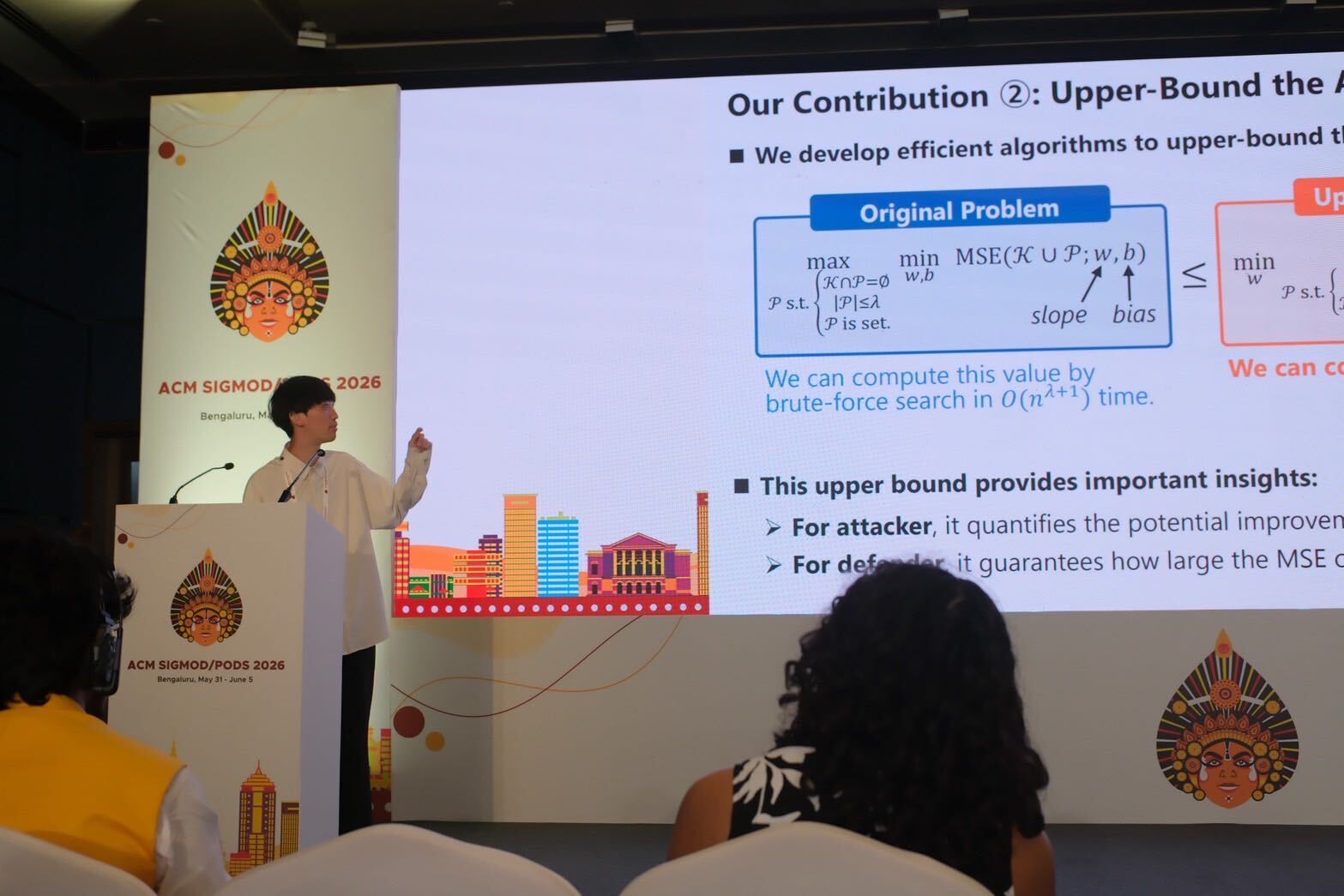
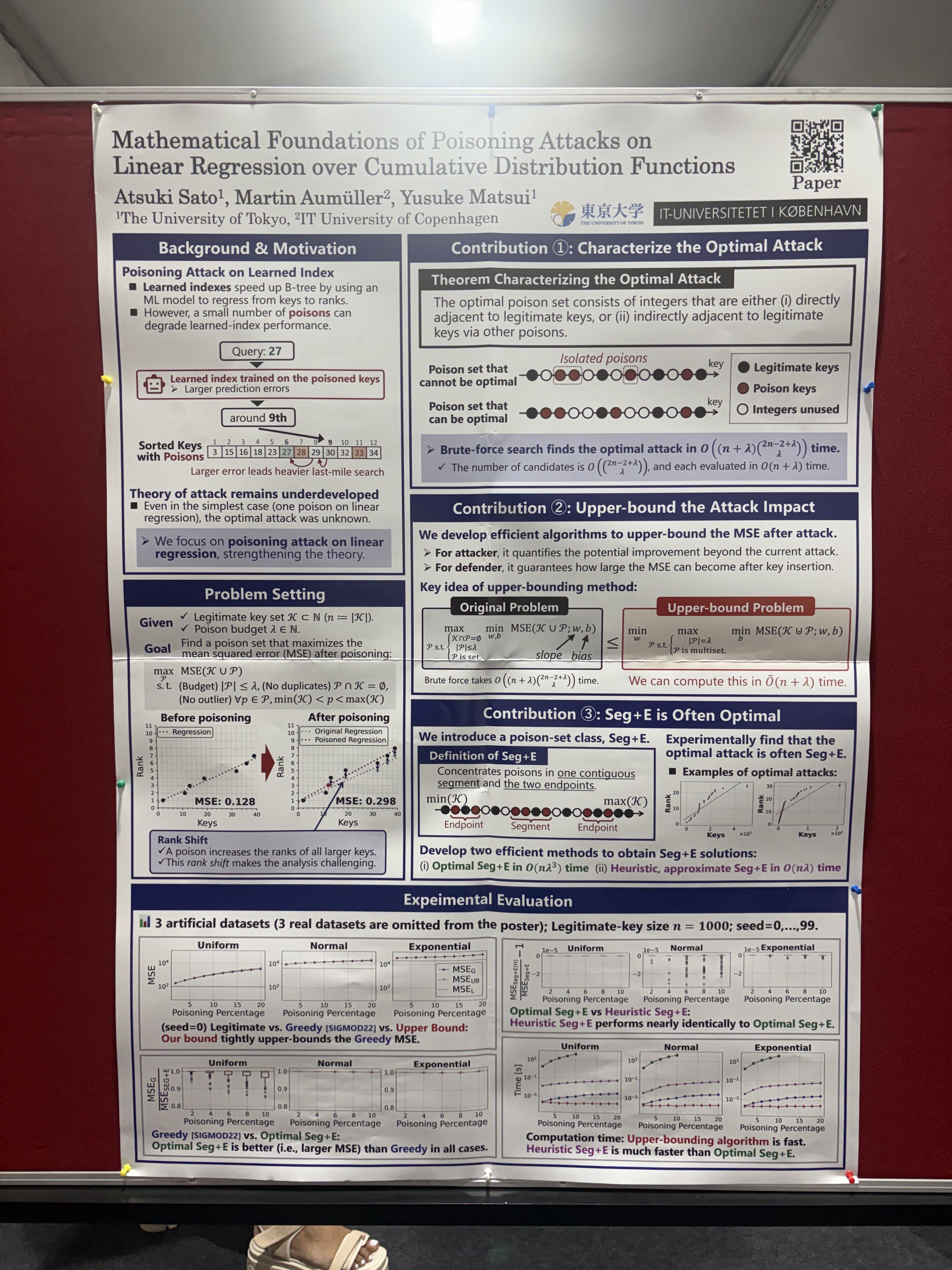
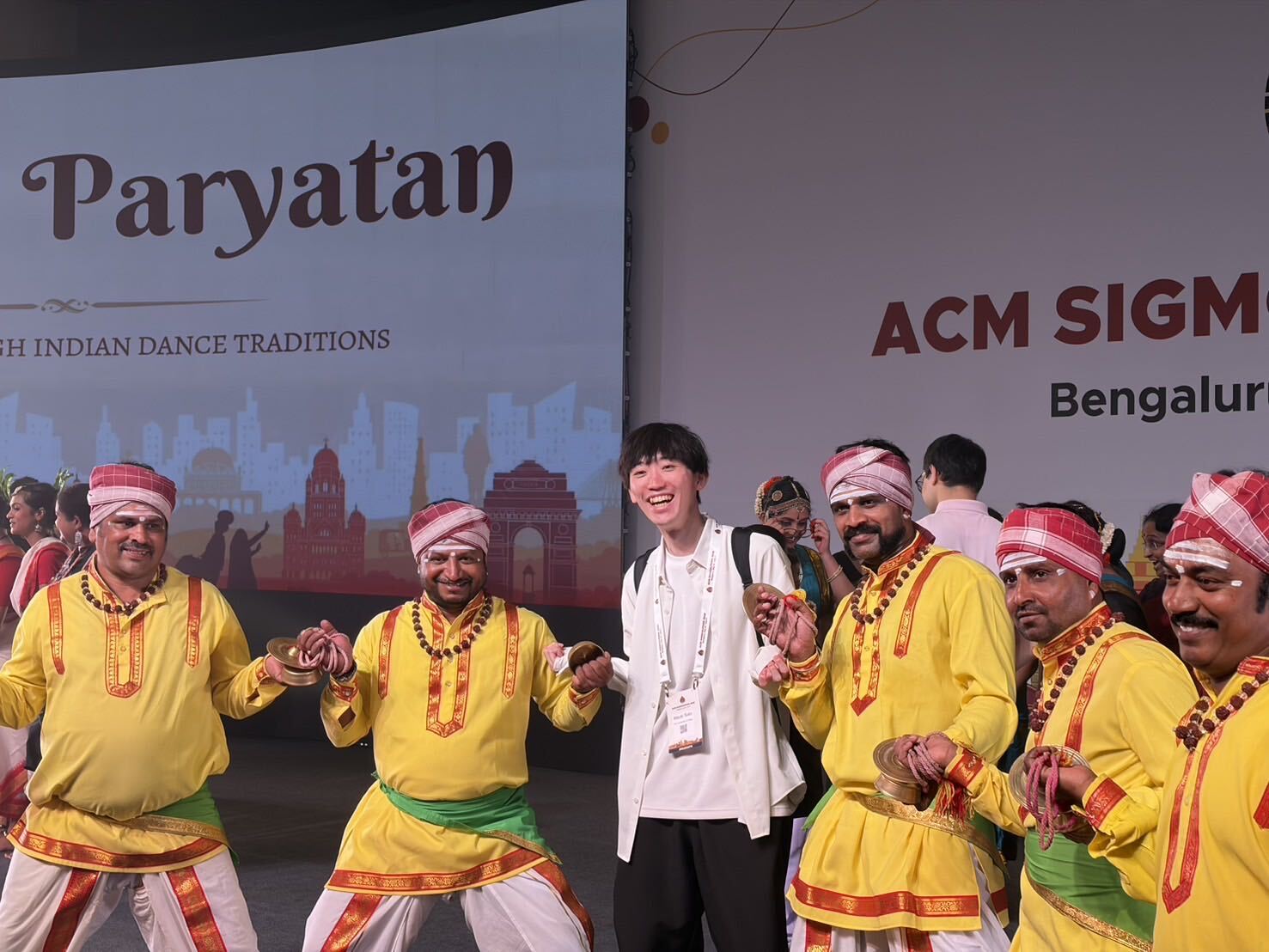
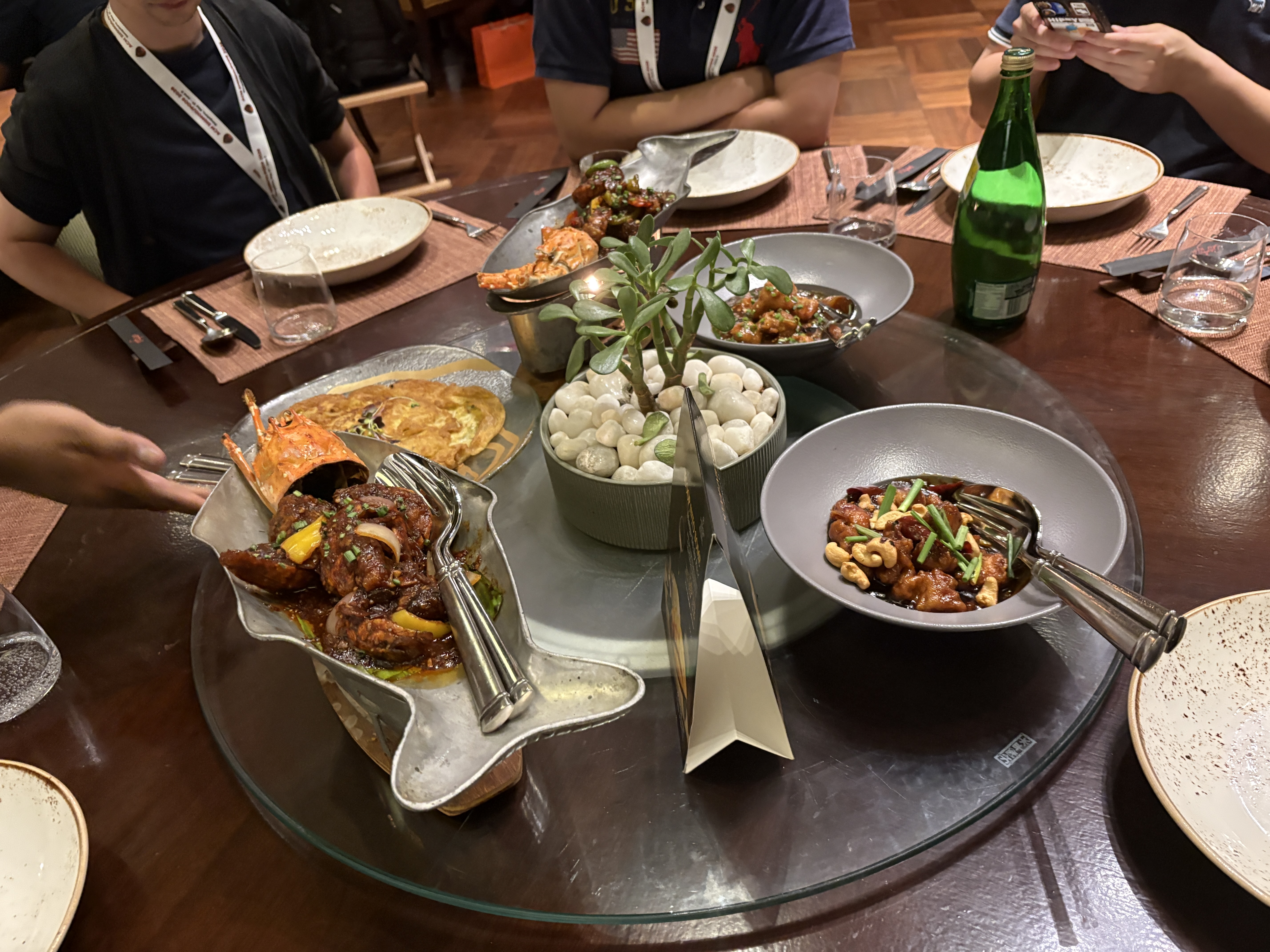
SIGMOD 2026. (1) My oral presentation. (2) Poster presentation. (3) Traditional Indian classical and folk dances performed during the Cultural Program. (4) Dinner with members of Prof. Amagata’s and Prof. Sasaki’s research groups.
The second trip was a visit to KTH in July. Although I had already met with Ioana many times online, I decided to visit her at KTH to continue our research while Martin was on vacation. Over several days, we had very intensive discussions, mainly focusing on the theoretical aspects of our work. What particularly impressed me was how, through discussions with Ioana, results that I had previously considered separately came together into one coherent research story. The logical flow and persuasiveness of our arguments became much clearer all at once. I was also amazed by her mathematical insight and the way she developed one theoretical argument after another. For lunch, Ioana treated me to Japanese and Korean food at restaurants she recommended. We also had cake in the afternoon, and then resumed our discussions the next morning. It was a very fulfilling research visit.
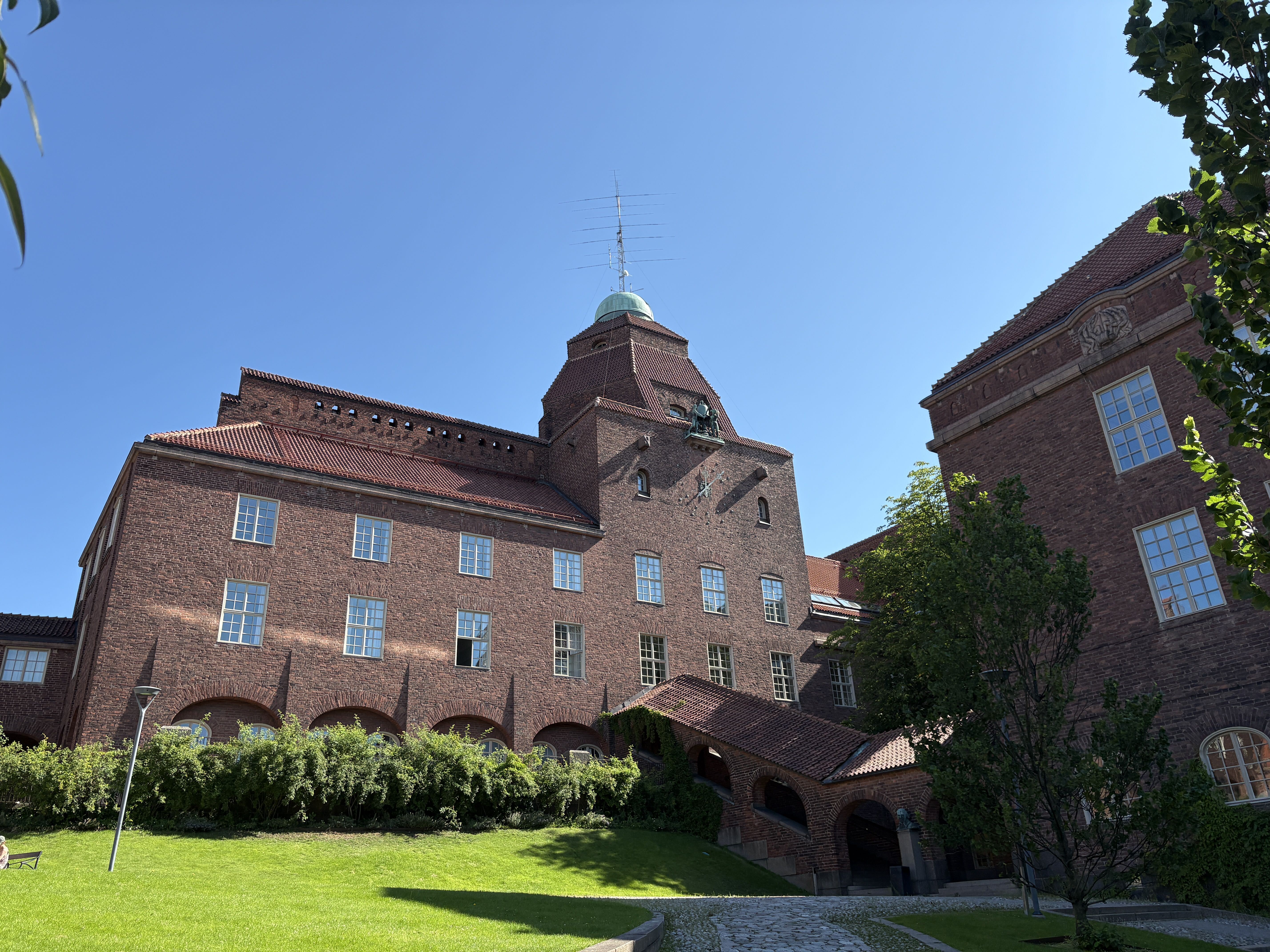
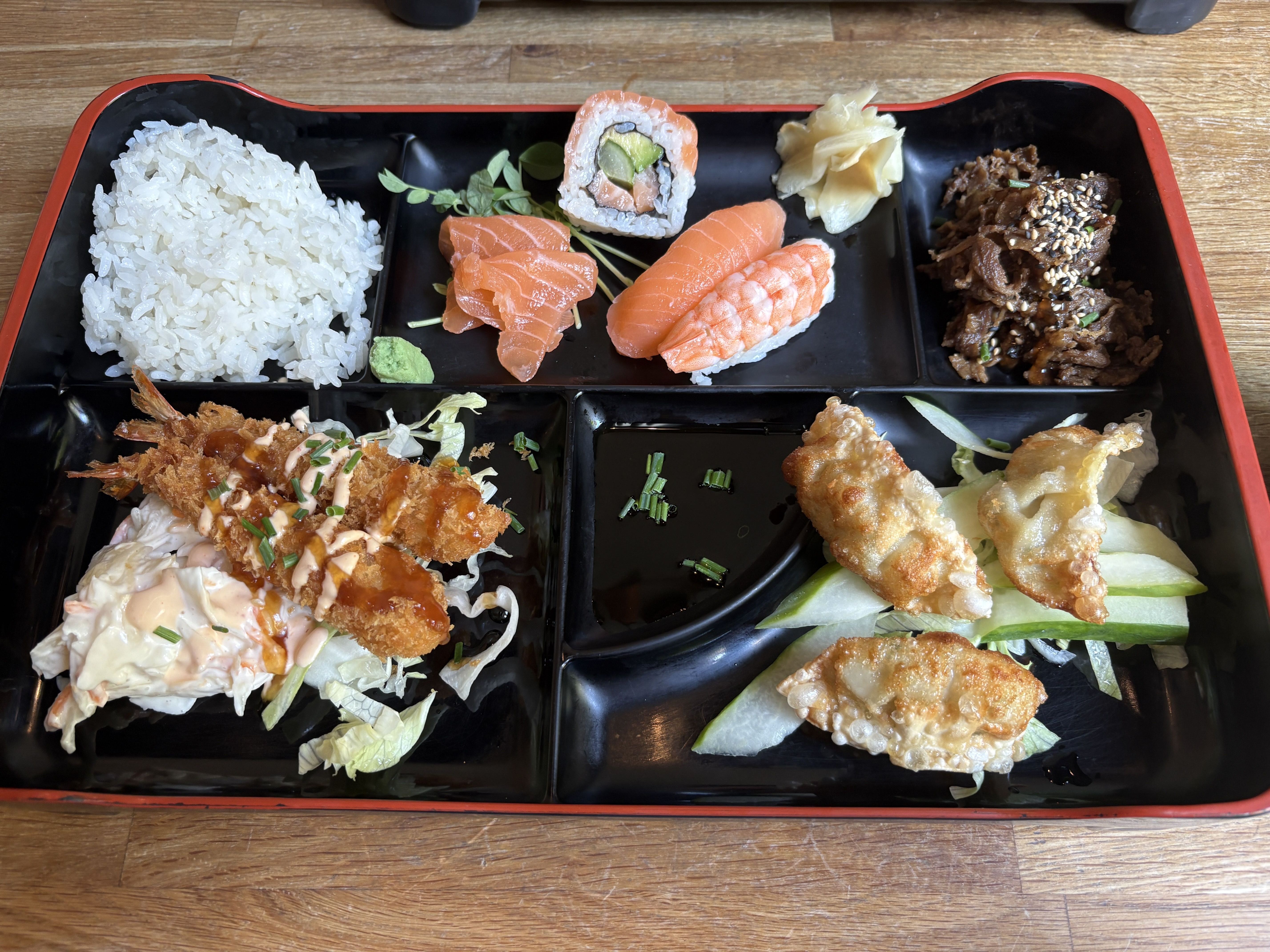
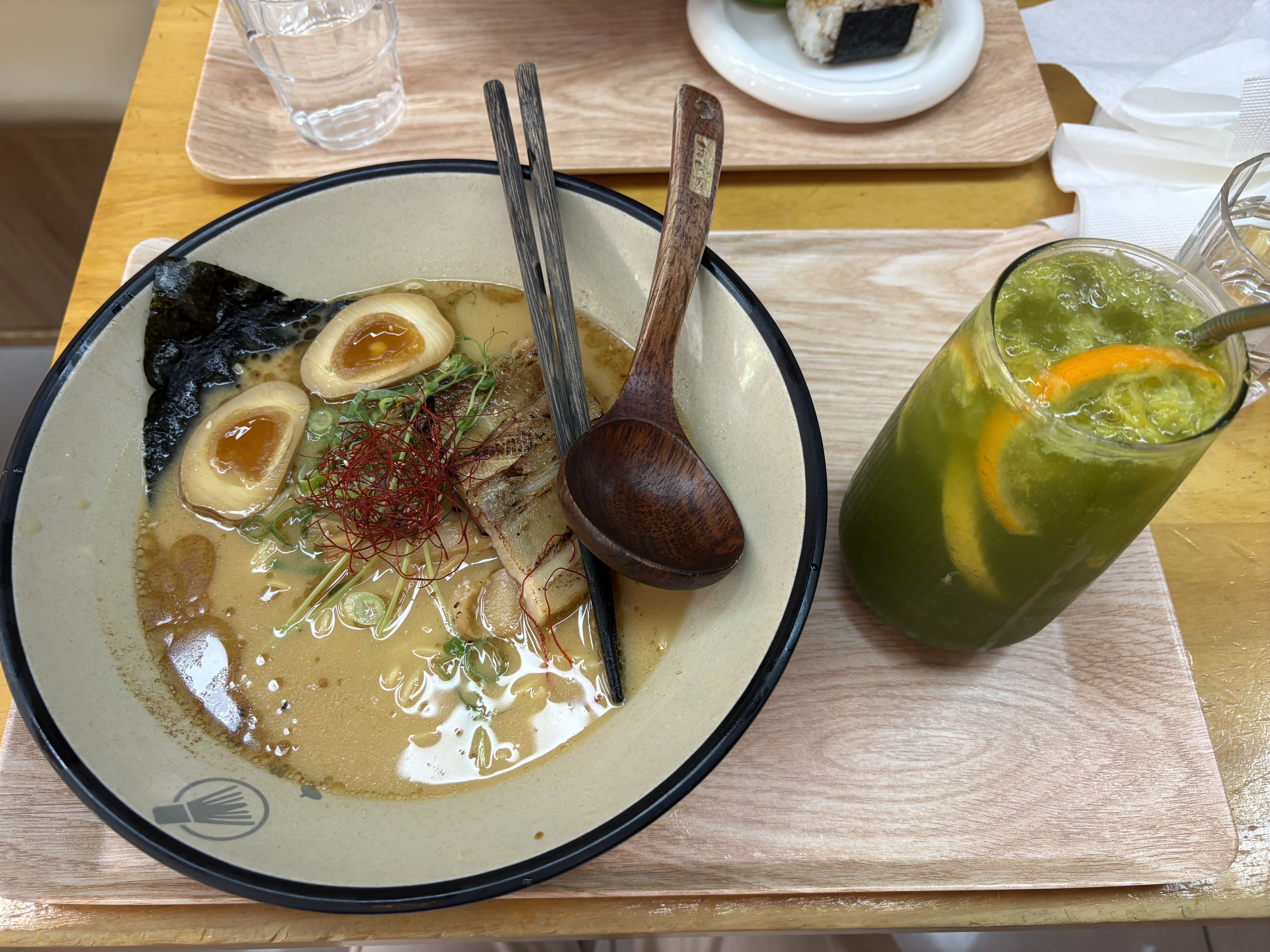
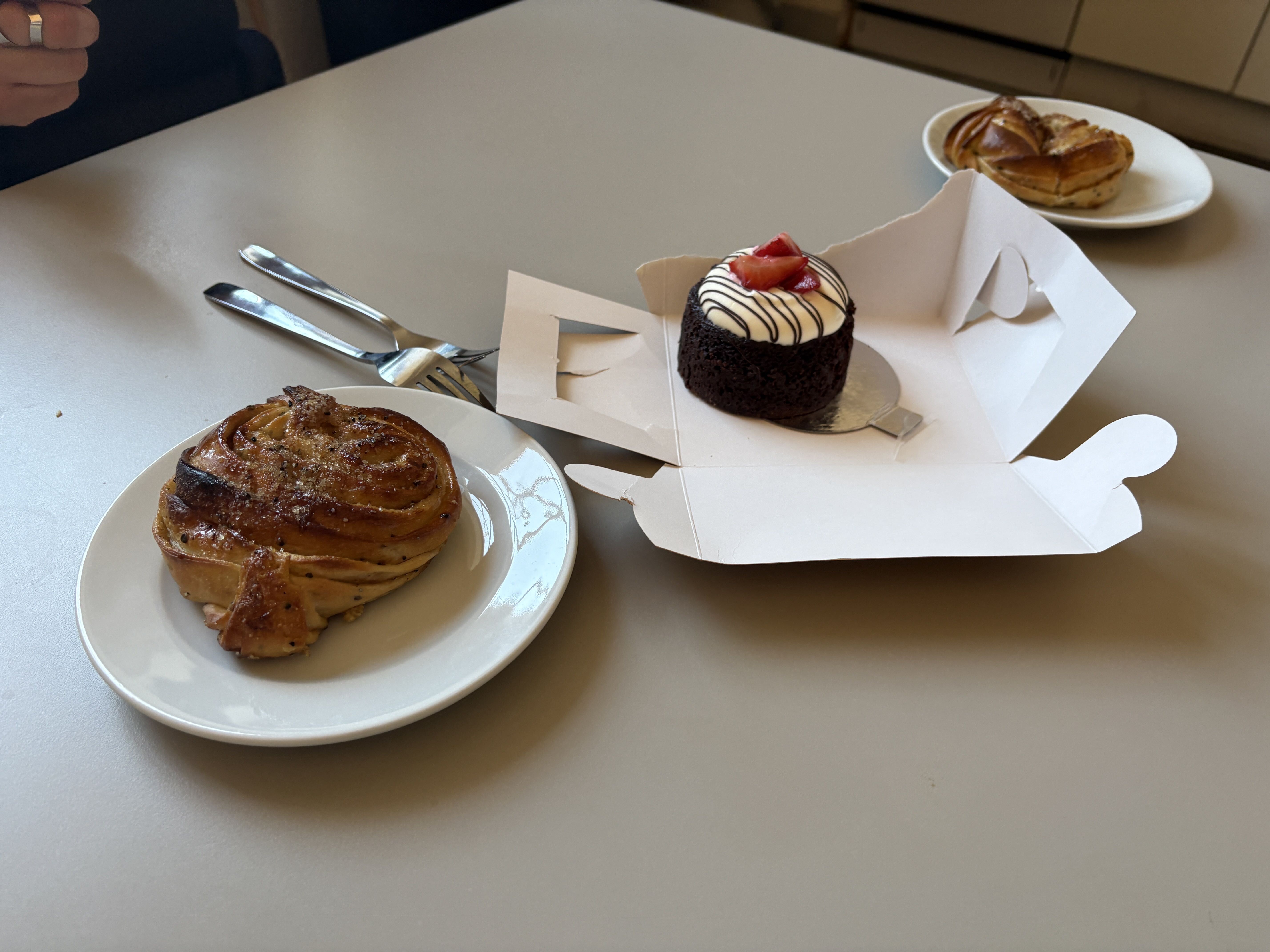
My visit to KTH. (1) The KTH campus. The beautiful brick buildings had a very different atmosphere from ITU. (2, 3) Japanese food and ramen at restaurants Ioana took me to. (4) Fika. I was treated to cake or pastries at around 3 p.m. every day.
Life in Copenhagen
The professors and students at ITU gave me a very warm welcome. In the research group, it was customary for everyone to have lunch together every day, and we talked about all kinds of things, from research to casual everyday topics. Every Friday afternoon, there was also a casual beer gathering at the university, where we enjoyed beer, table tennis, and foosball. I was invited to barbecues and climbing sessions as well, so I had plenty of opportunities to spend time with everyone outside of research. There were times when I struggled to join conversations in English, but I really appreciated how everyone kept making an effort to include me.
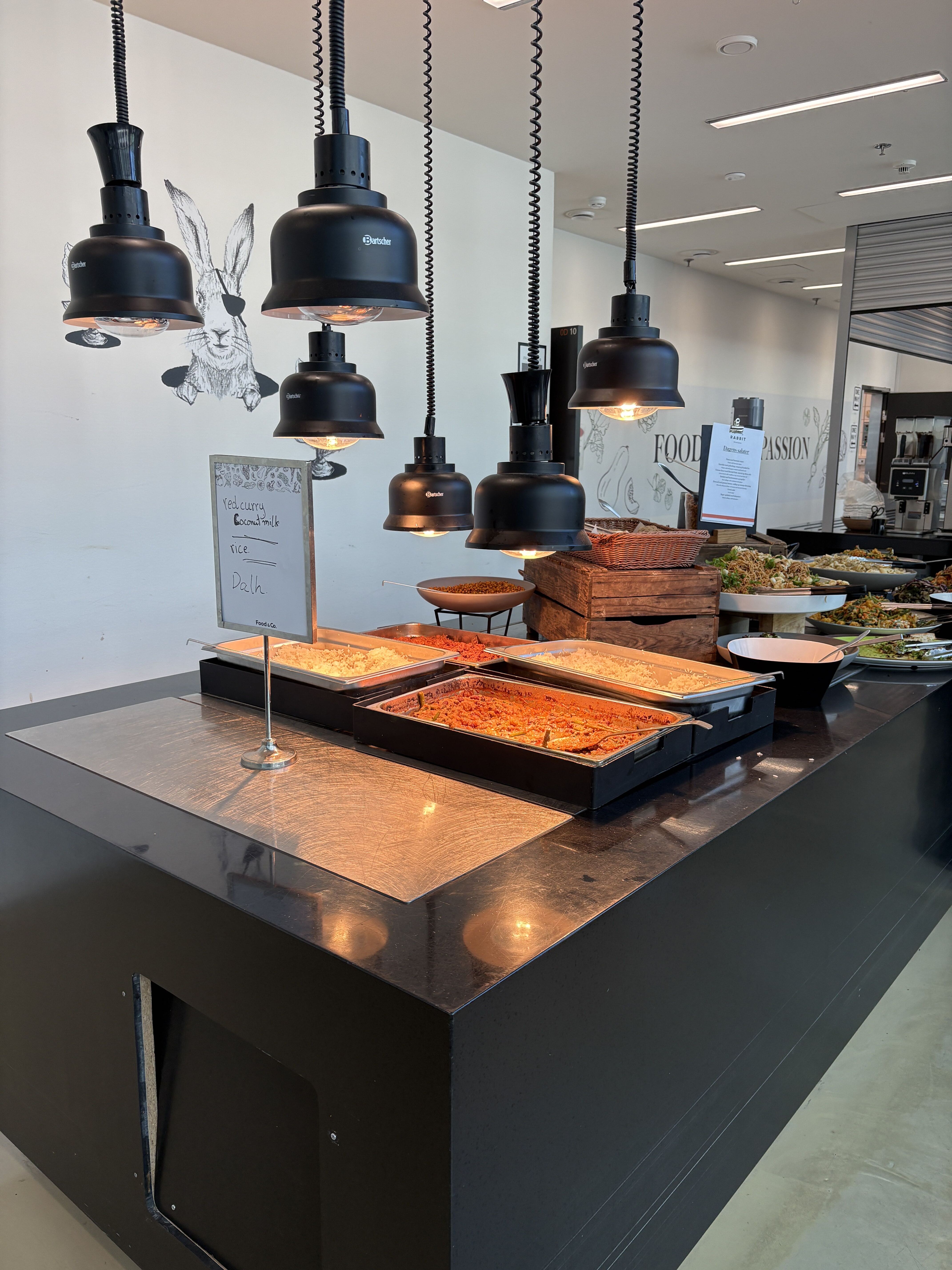
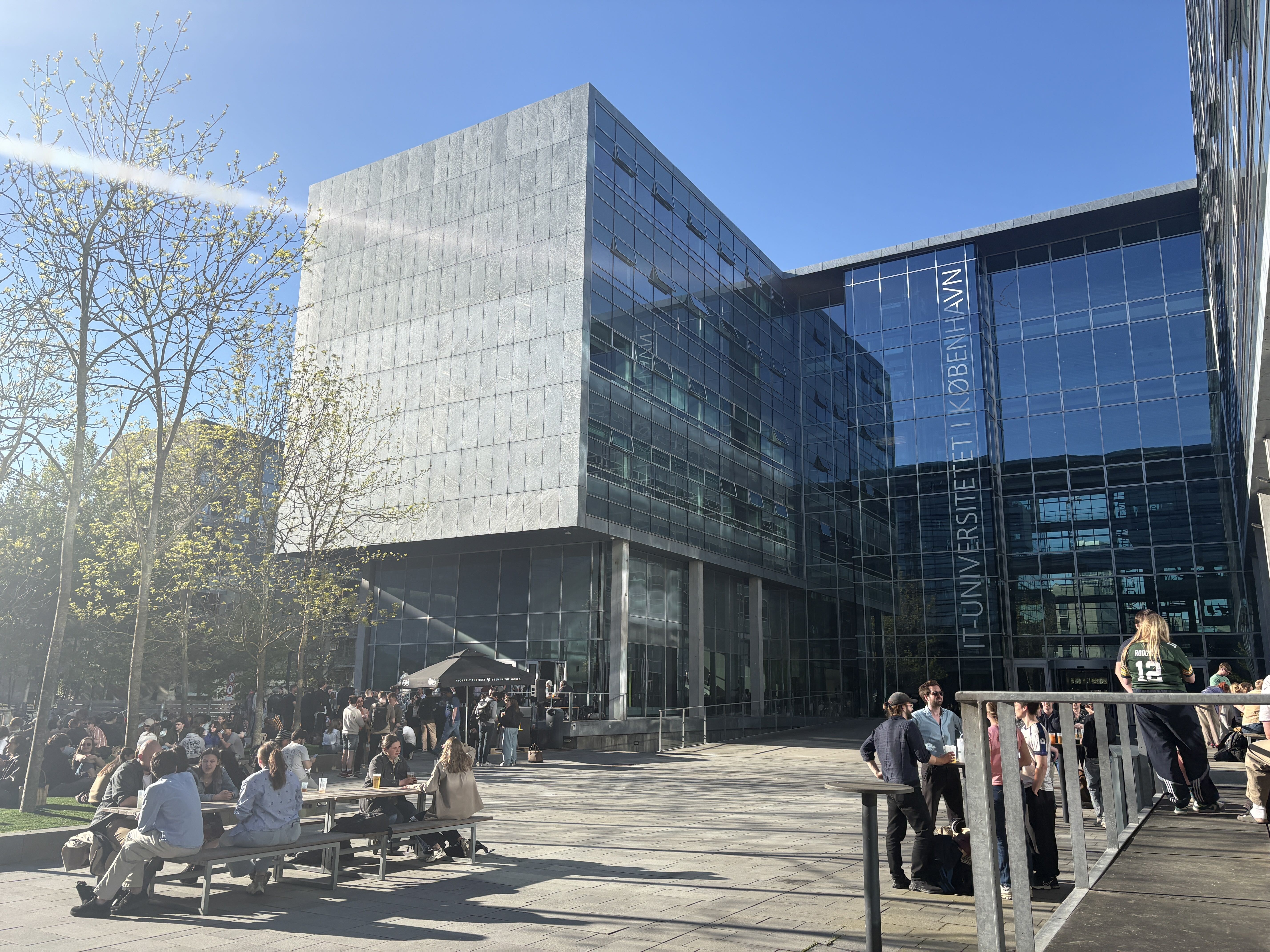
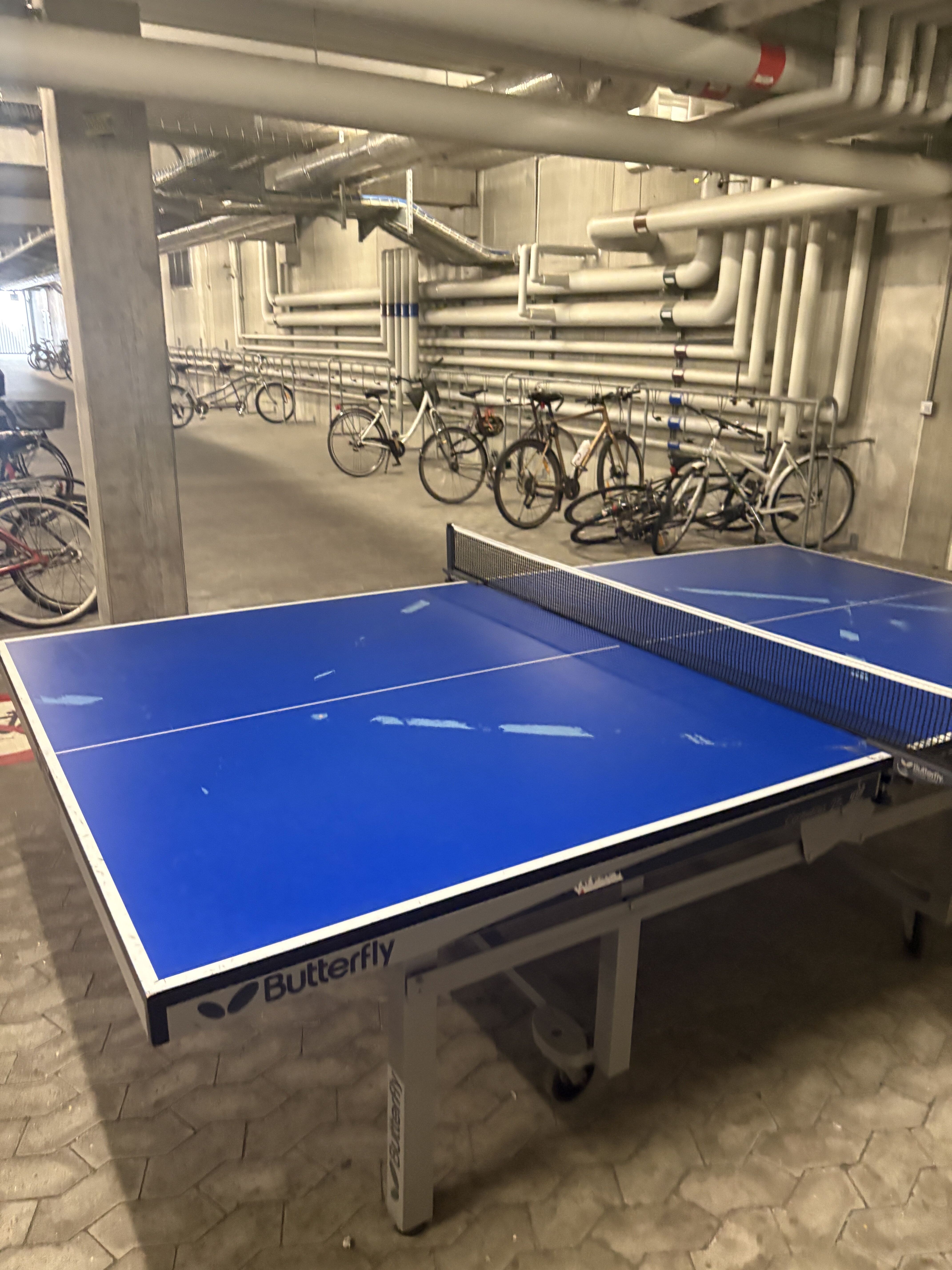
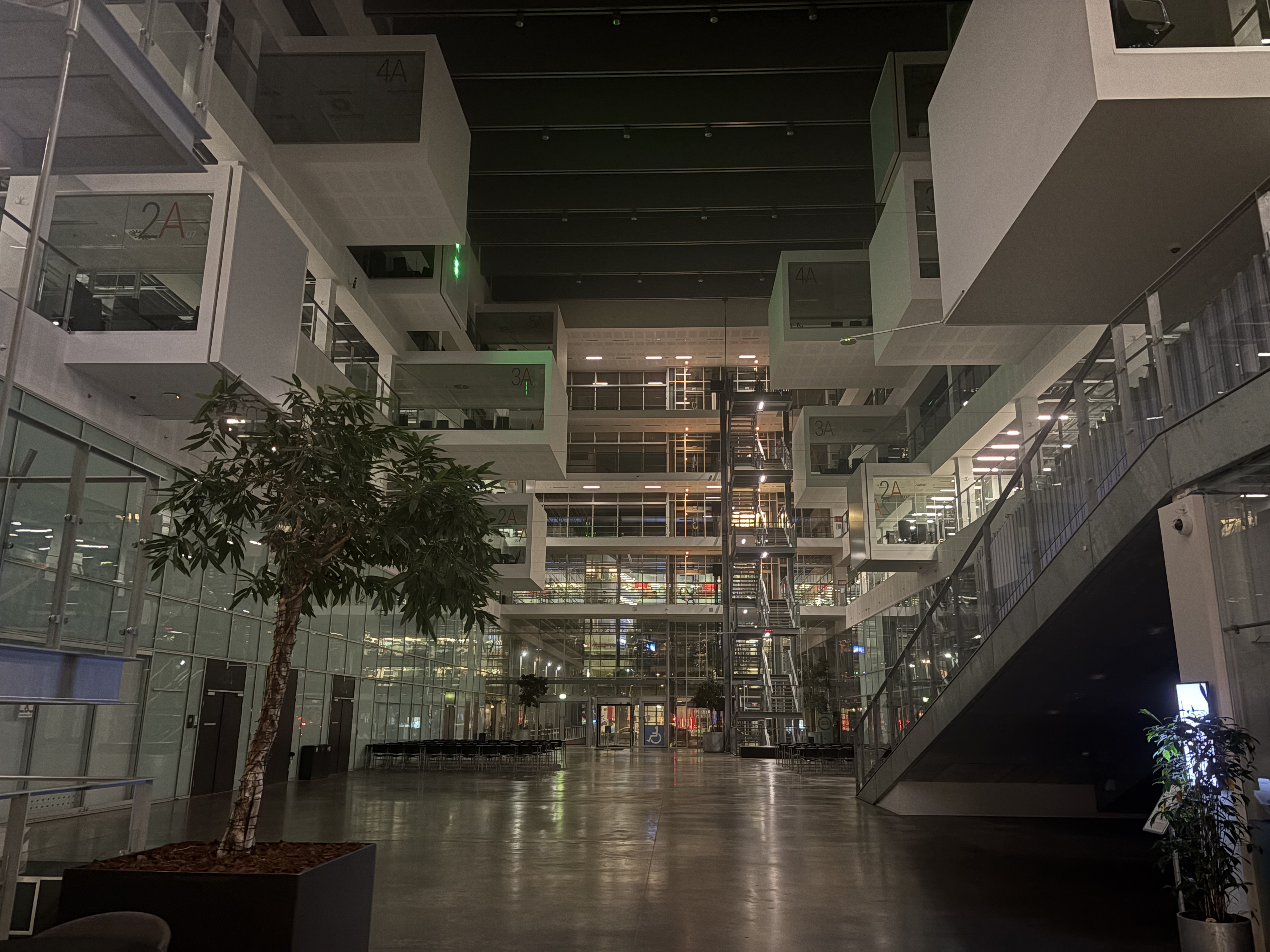
Everyday life at ITU. (1) The university cafeteria was buffet-style. (2) The Friday beer party. (3) A table tennis table next to the bicycle parking area. (4) ITU late at night.
Outside of research, I also enjoyed walking around Copenhagen. I often saw swans in the canals, and on sunny days, people would relax and sunbathe on the grass in parks. The peaceful atmosphere of the city left a strong impression on me. Because of the high latitude, it stayed light until around 10 p.m., so I sometimes went for walks late in the evening. I was surprised by how expensive everything was, but the Danish pastries and croissants were delicious, and I visited bakeries many times.
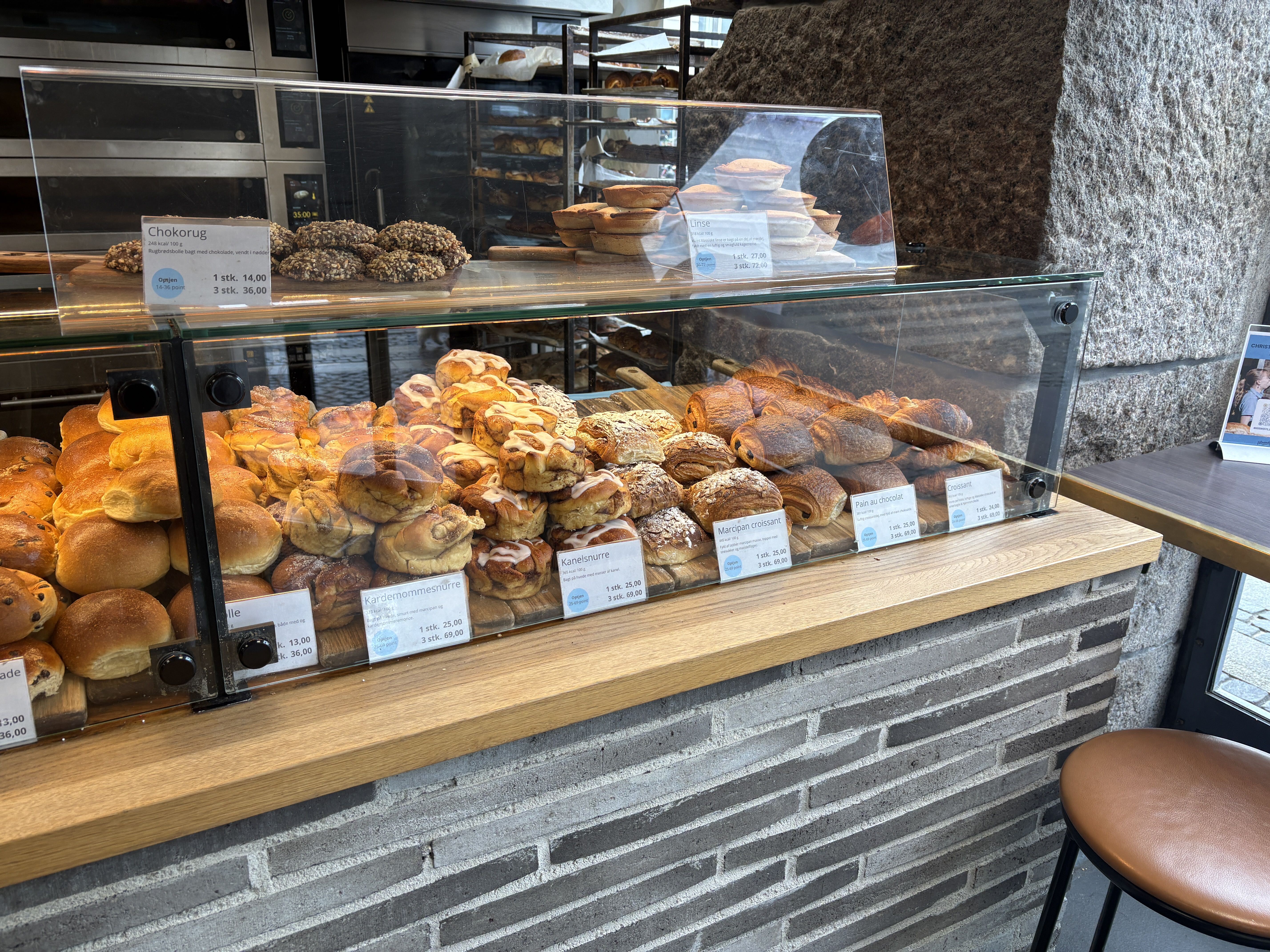
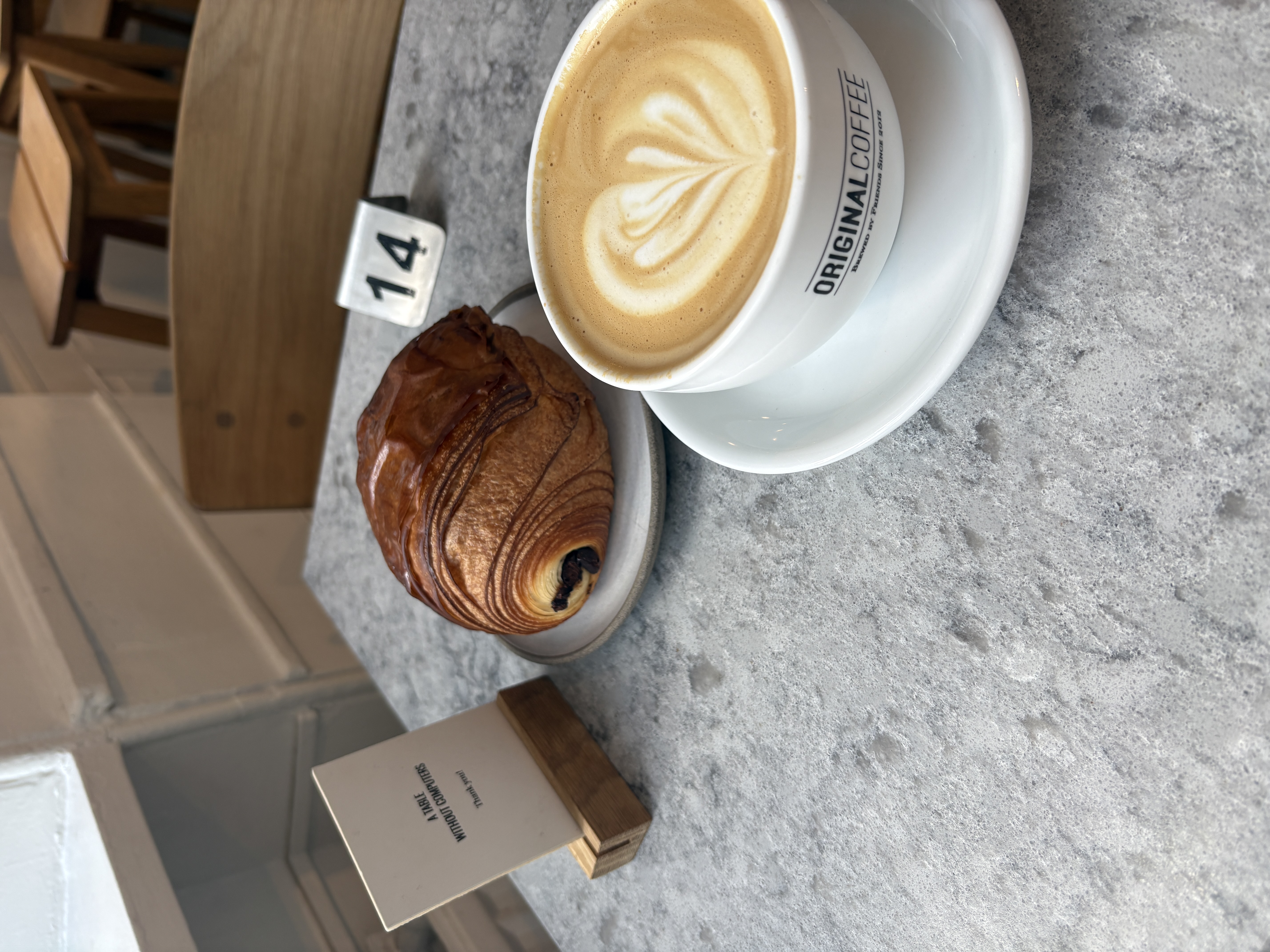
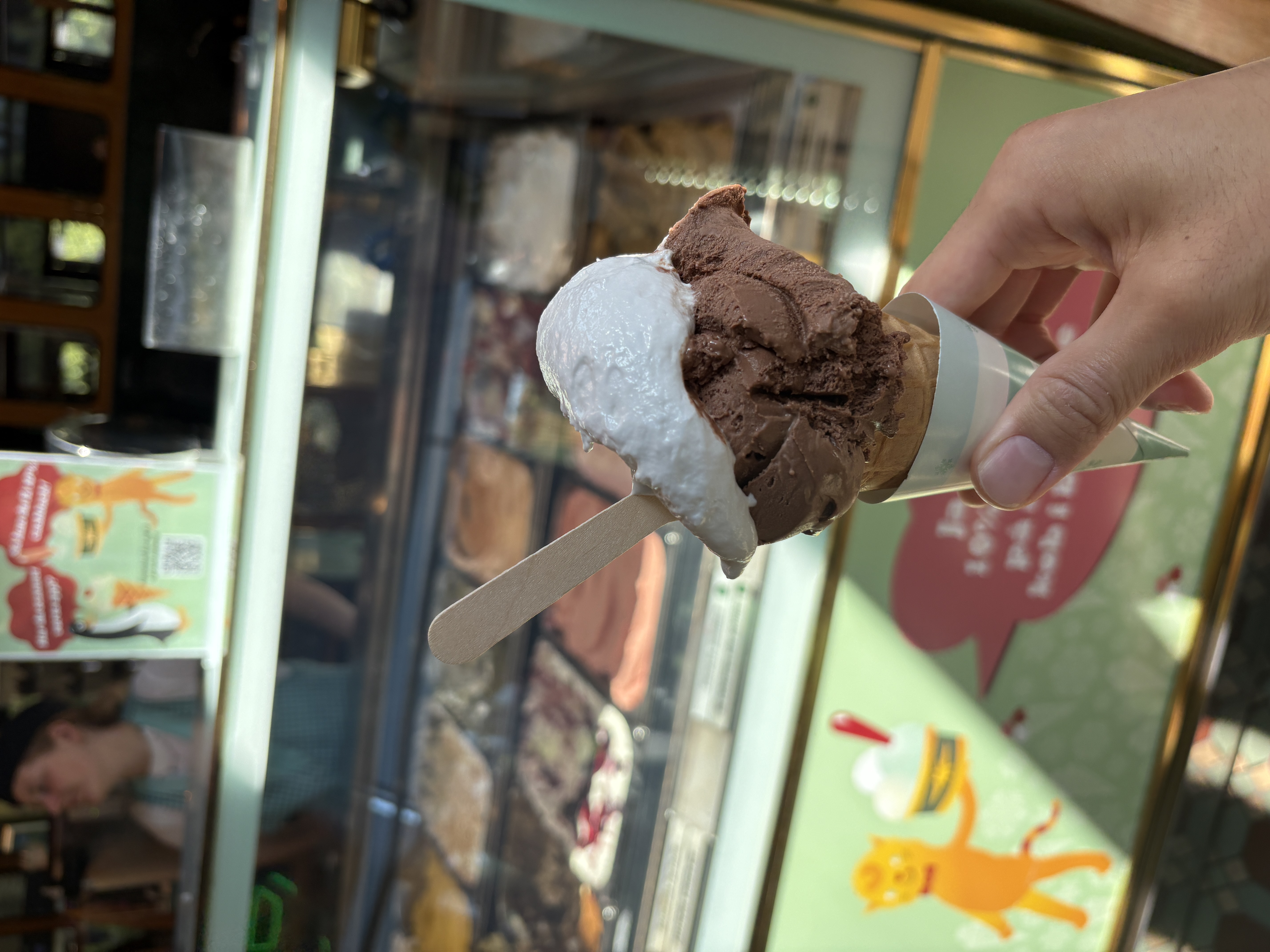
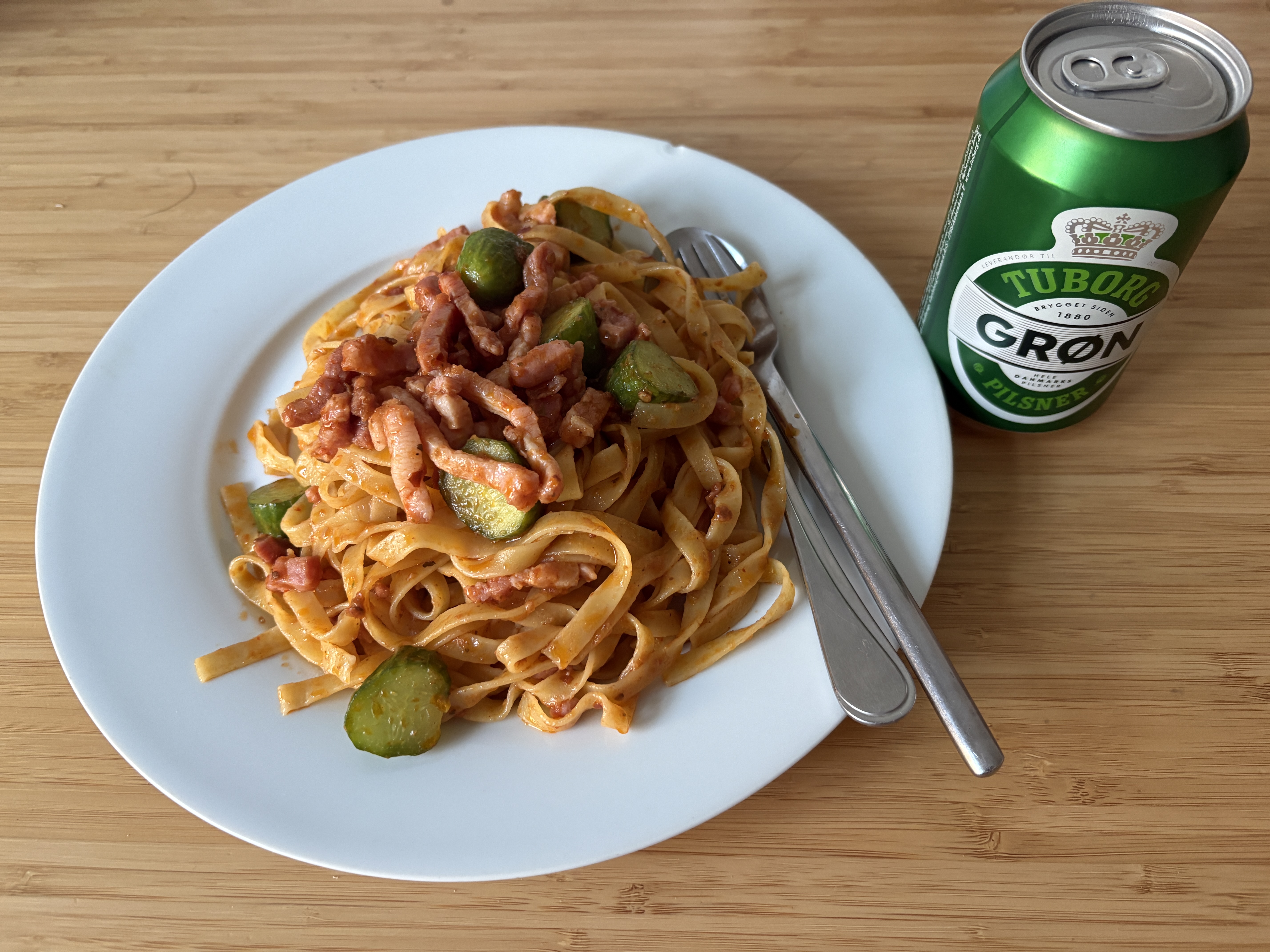
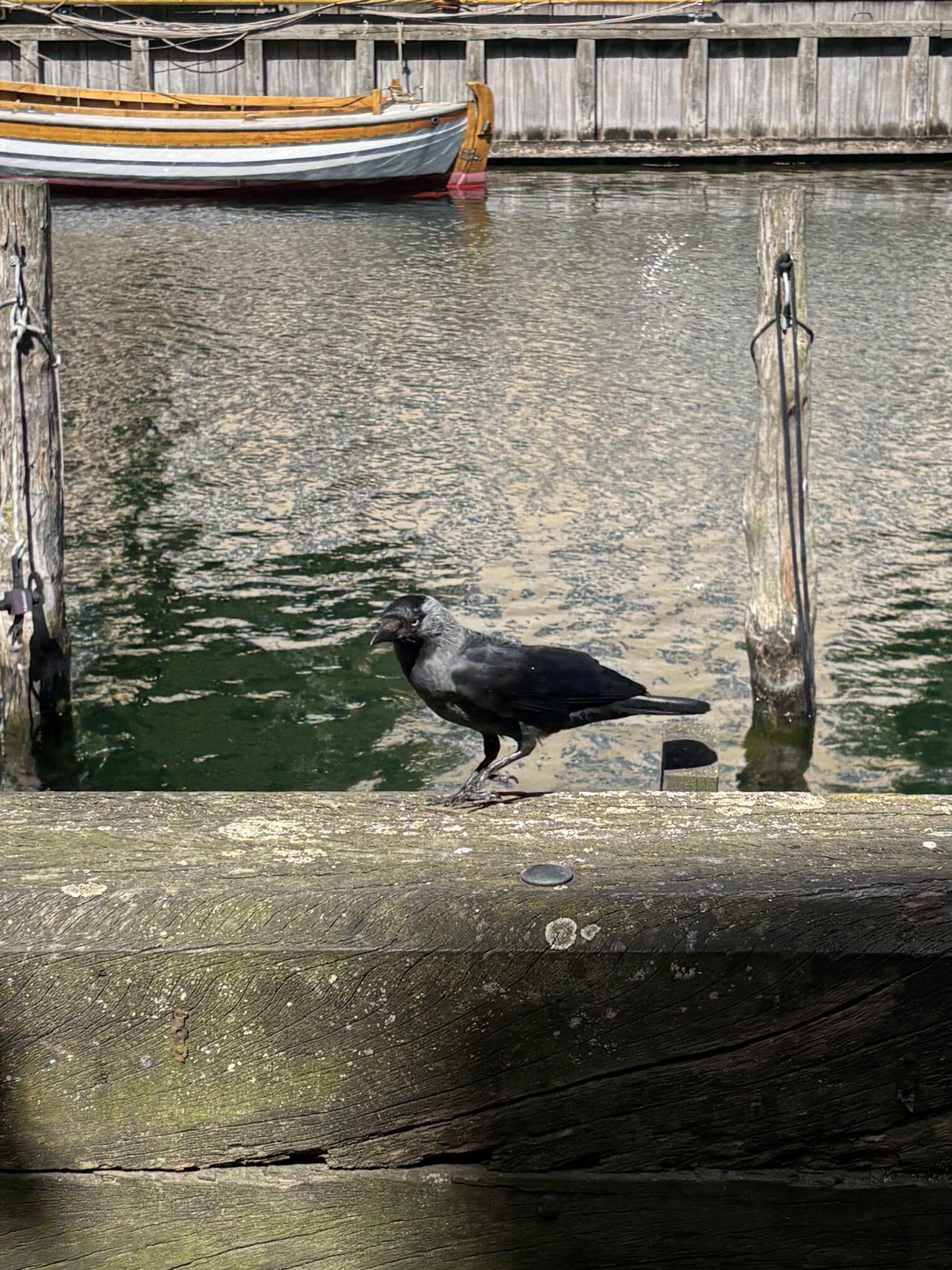
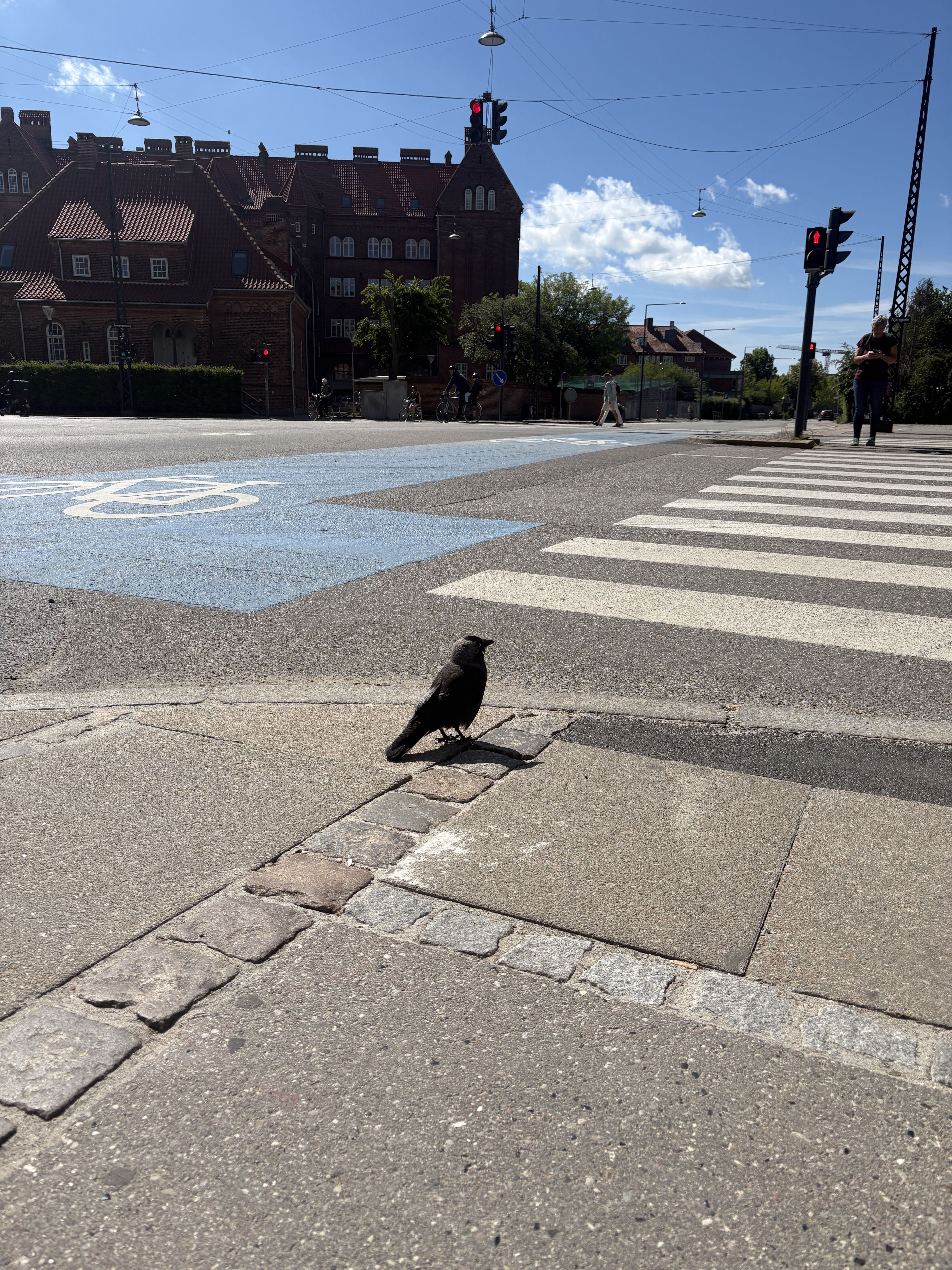
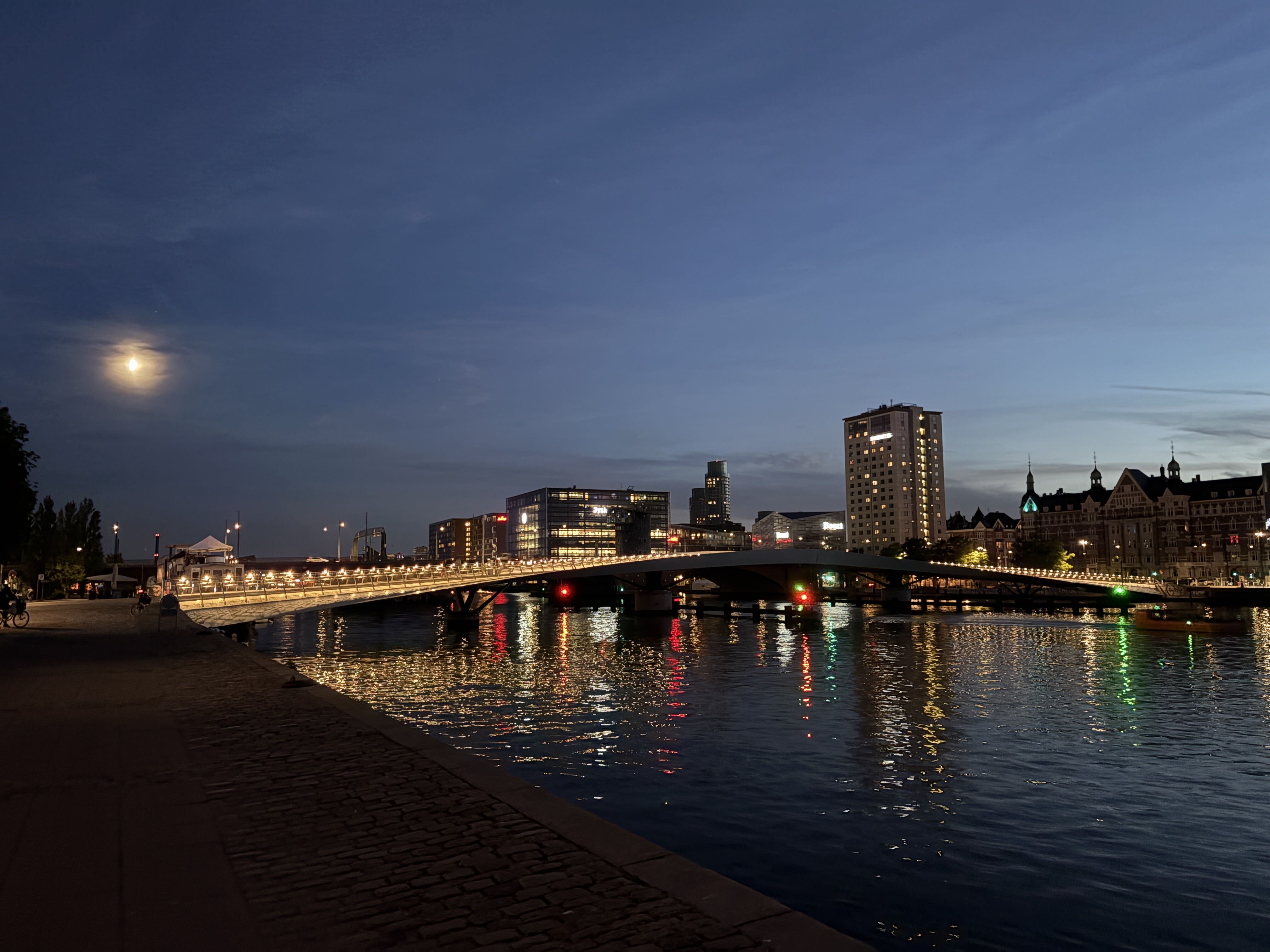
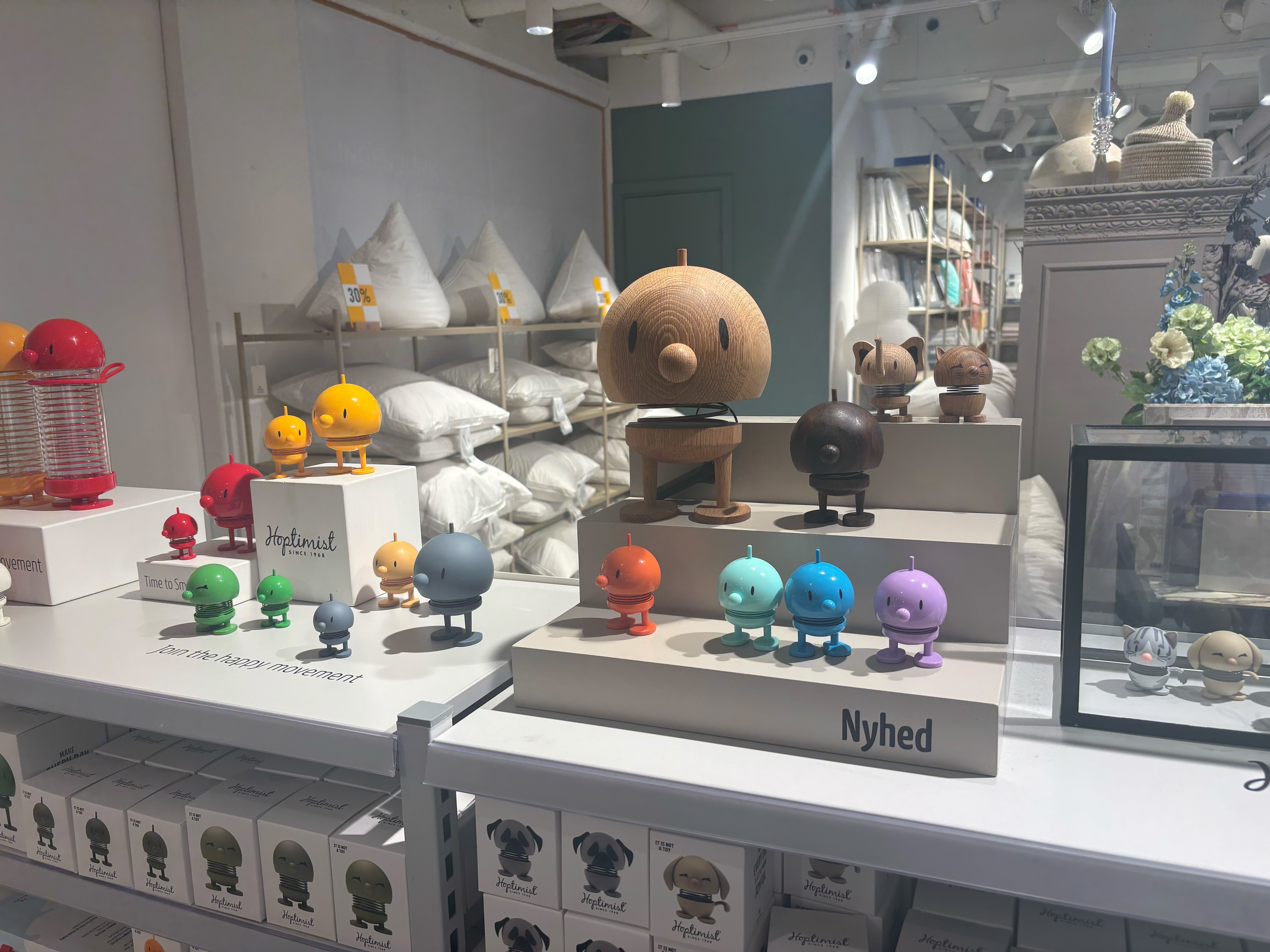
Everyday life in Copenhagen. (1) A bakery. (2) A cafe. (3) Ice cream that Martin treated me to. (4) Most of my home-cooked meals were pasta. (5, 6) After Kenshi Yonezu released his song “烏 - Raven” in June, I started taking pictures whenever I spotted crows around the city. (7) Copenhagen at night. (8) Hoptimist, a design object originating from Denmark. I bought one.
However, not everything went smoothly, and there were times when I wished I had prepared better. May was much colder than I had expected, and I regretted not bringing a warm coat. I had also brought a special container from Japan for cooking rice in a microwave, only to discover after arriving that my apartment didn’t have a microwave. I ended up taking it all the way back to Japan without using it even once. I also wished I had studied English more before coming. I especially struggled to follow group conversations and understand people speaking in noisy places. Even so, with help from the people around me, I managed to get through the three months without any major problems. Of course, preparation is important, but one of the things I gained from this experience was the feeling that even when I don’t know what to do or run into difficulties, I can somehow manage by figuring things out as I go and asking others for help.
Final Thoughts
Looking back, these were three months in which I was completely immersed in research. Things didn’t always go according to plan, but by the time I returned to Japan, I felt a real sense of accomplishment and satisfaction that I had given it my all. Living abroad for an extended period for the first time also gave me confidence that I could manage even in an unfamiliar environment. Finally, I would like to express my sincere gratitude to Yusuke for arranging this opportunity and securing the funding, to Martin and Ioana for warmly welcoming me, and to everyone who supported me throughout this research stay.